Nissan Motor Co., Ltd. and Takayama Kasei Co., Ltd. have introduced new-generation construction soundproof sheets under the TS-12 and TS-20 names in Yokohama, Japan. The project is a circular-economy step for the automotive industry, turning calcium carbonate recovered from Nissan vehicle painting processes into higher-value construction materials.
Nissan and Takayama’s recycled-material innovation
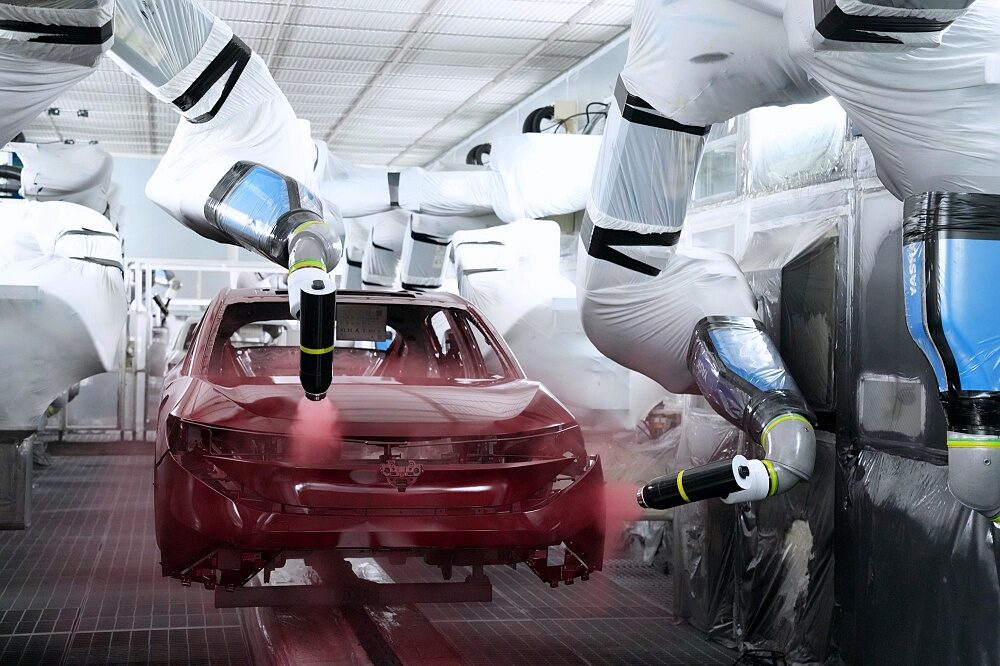
Traditional automotive painting produces paint mist that does not adhere to the body shell. It can move through ventilation systems and become difficult industrial waste after being washed down with water. Nissan’s answer is a dry booth system installed at the Tochigi and Oppama plants in Japan.
The system uses calcium-carbonate-filled filters to capture paint mist without relying on water. The recovered material becomes a dry solid that can be processed by Takayama Group into construction products.
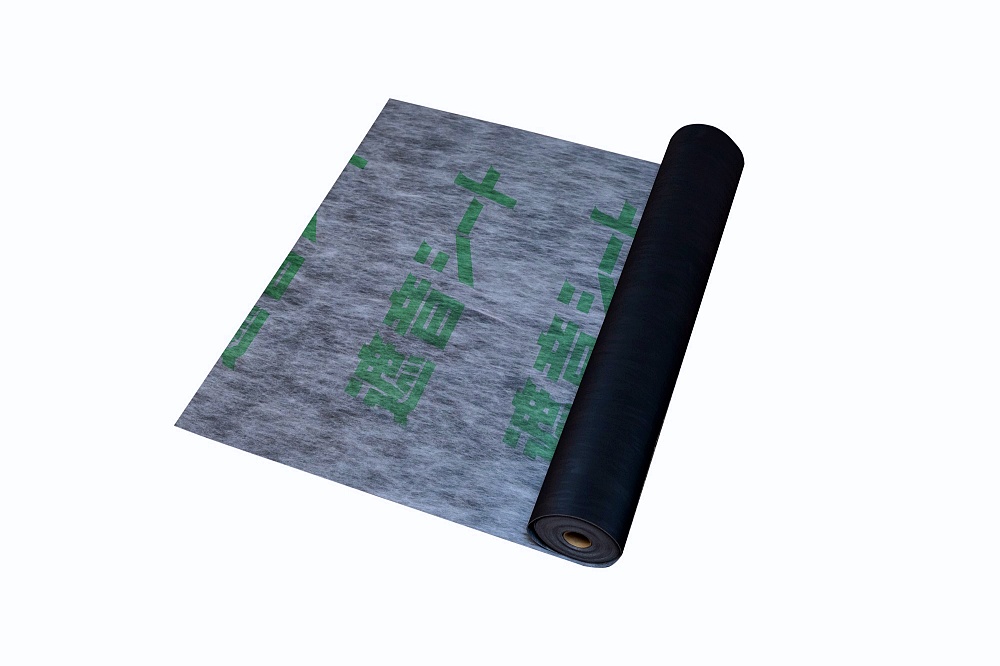
The TS-12 and TS-20 sheets are produced by Takayama Kasei and marketed through Taiho Co., a group company. By incorporating recycled calcium carbonate from Nissan plants, the soundproof sheets can reduce manufacturing CO2 emissions by more than 30% compared with conventional chemical-based sheets while maintaining acoustic and structural performance.
In the first phase, the cross-industry recycling program is expected to reduce Nissan’s industrial waste by around 1,200 tons per year and cut waste-management costs by up to 25 million yen annually. Nissan also plans to study the material for future eco-conscious vehicle parts from 2030 onward.
Bangkok Motorhaus Perspective
The Nissan and Takayama project is smart because it changes paint-process waste from a disposal cost into a valuable material stream. A dry booth system reduces water use, captures solid material more cleanly, lowers waste-treatment costs, and strengthens Nissan’s ESG story at the same time.
The choice of construction soundproof sheets is also logical. These products need high density to block sound waves, and calcium carbonate can help add the right mass to the sheet structure. A CO2 reduction of more than 30% gives TS-12 and TS-20 a clear selling point for developers and contractors looking toward green-building standards.
The next challenge is scale. If Nissan can expand dry booth know-how to other major production bases, including Thailand, and build local supply chains with construction-material partners, this type of closed-loop recycling could become a concrete competitive advantage rather than a sustainability slogan.