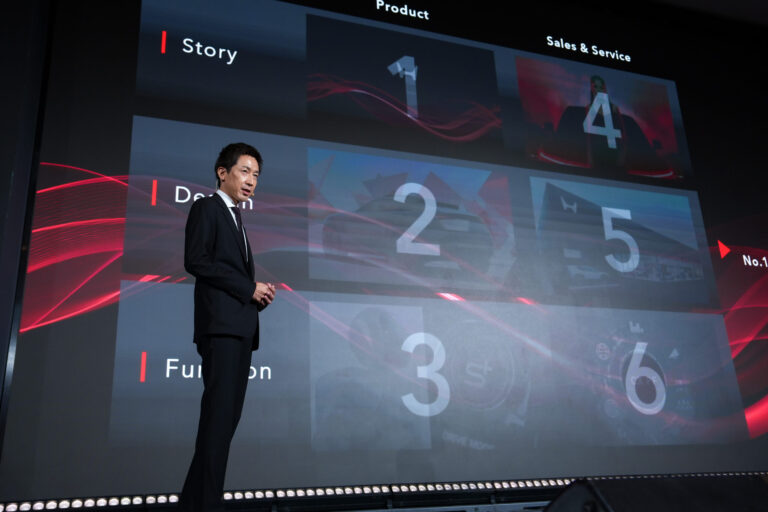
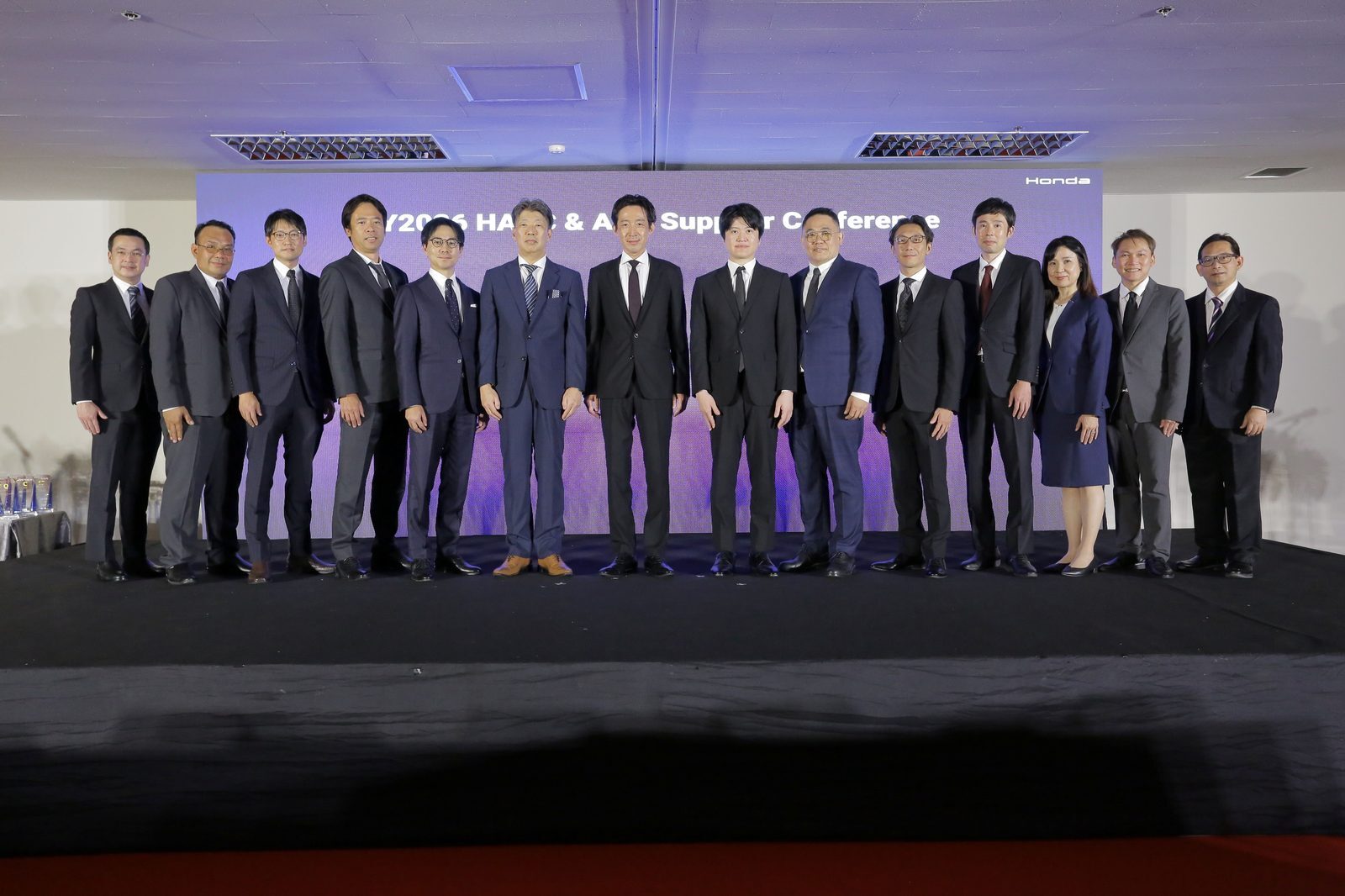
The Honda Group of Companies in Thailand announced a significant business direction at the FY2026 HATC & APC Supplier Conference in Bangkok, aiming to enhance cooperation with a network of 252 domestic automotive parts manufacturers. The focus is on strengthening the resilience and flexibility of the supply chain, coupled with the introduction of advanced digital innovation to transform production lines. This reinforces Thailand's role as a sustainable global manufacturing and export base for finished vehicles, amidst the rapid changes in the current automotive industry.
Global Production Base Pinpointing Strategy and Factory Mergers
Honda is moving forward to strengthen production stability by undergoing a significant business structure transformation, consolidating all Completely Built Unit (CBU) car production at the Honda plant in Prachinburi Province. This aims to establish it as a main production base with the highest strength and flexibility to meet demand from both the domestic market and export markets across various regions worldwide. The success of this restructuring is driven by the cooperation of domestic parts manufacturers, who have been crucial cogs in maintaining the standards of the Honda brand for a long time.
Reform of smart supply chain and logistics systems
Modern supply chain management has enhanced efficiency through an End-to-End Visibility system, enabling precise tracking of information and joint assessment of various risk situations throughout the entire system. Simultaneously, the Business Continuity Plan (BCP) has been improved based on actual resource foundations to minimize impact on production lines. Furthermore, innovation and digital technology have been introduced to drive intelligent logistics systems, facilitating real-time tracking of spare parts, increasing transportation efficiency, and effectively controlling costs.
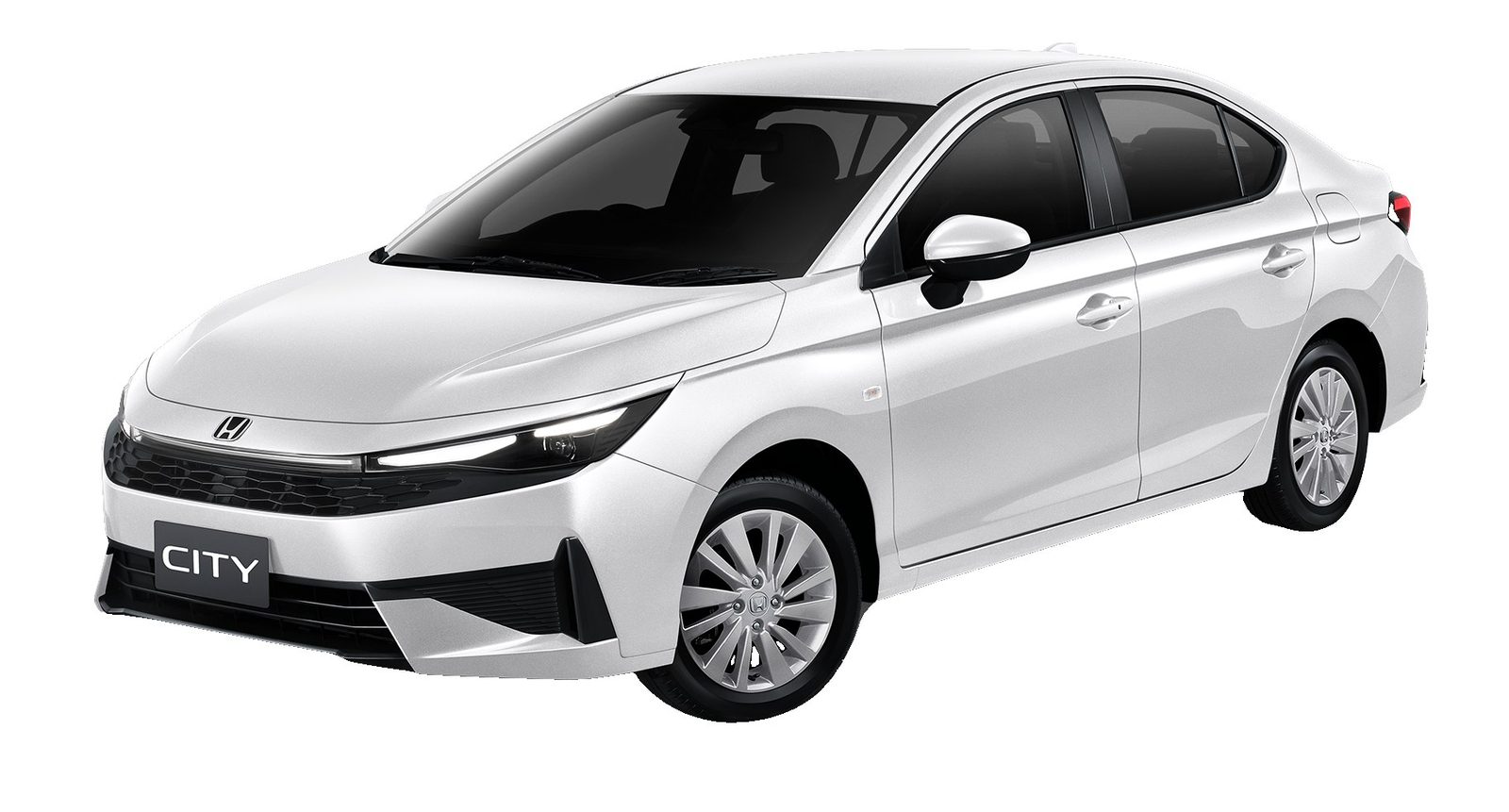
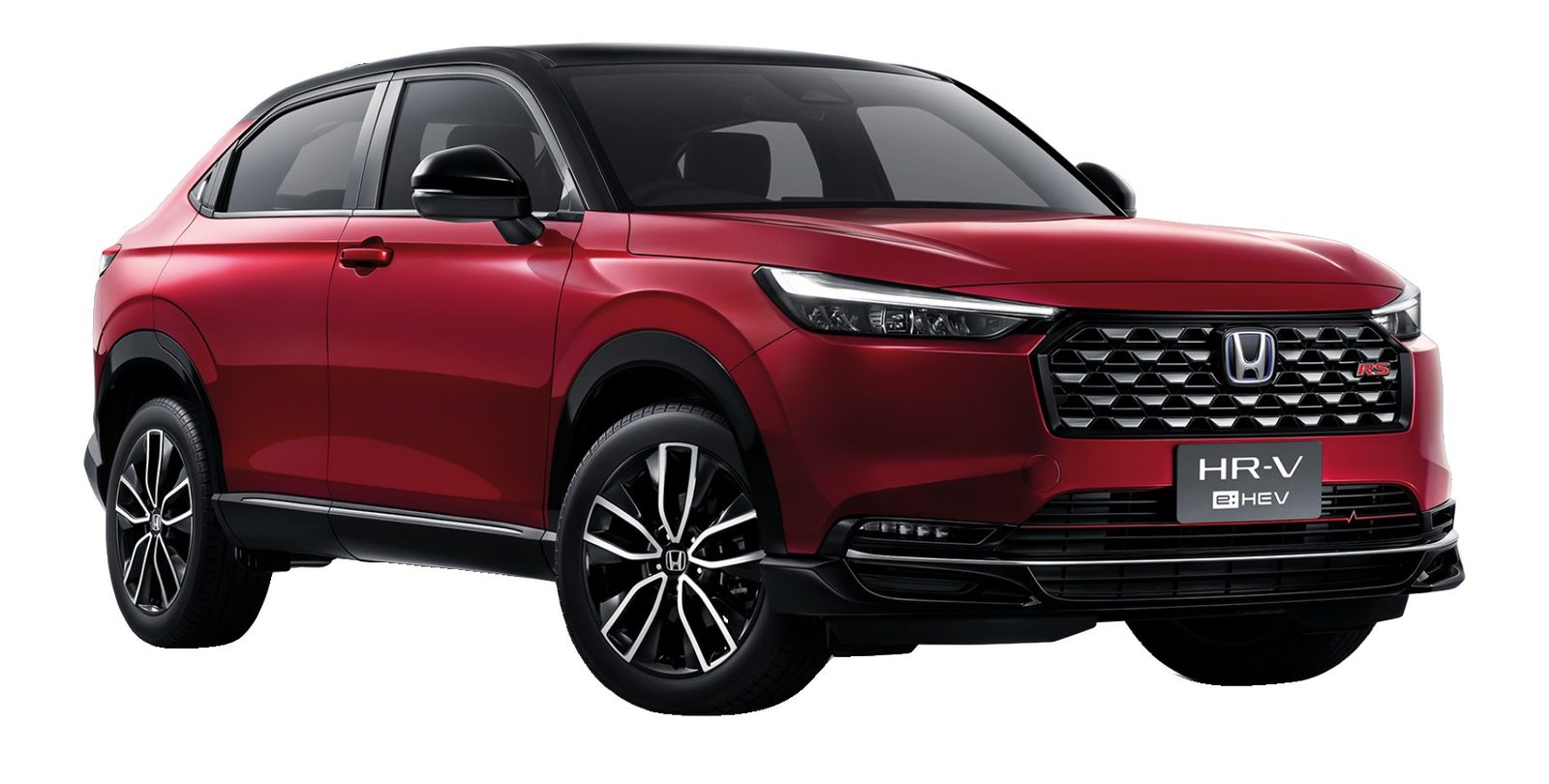
Applying AI Technology to Manage Costs and Elevate After‑Sales Service
Honda's vehicle manufacturing process has been elevated in competitiveness by incorporating artificial intelligence (AI) and digital technologies into the production line to increase precision and maximize potential. This is coupled with cost structure improvements and reduced lead times through the promotion of Industry Standard Parts, supporting the launch of new vehicle models in the future. Meanwhile, the parts and after‑sales service business will expand proactive quality control to be more comprehensive and stringent, ensuring readiness to deliver the highest level of consumer satisfaction.
Bangkok Motorhaus's perspective.
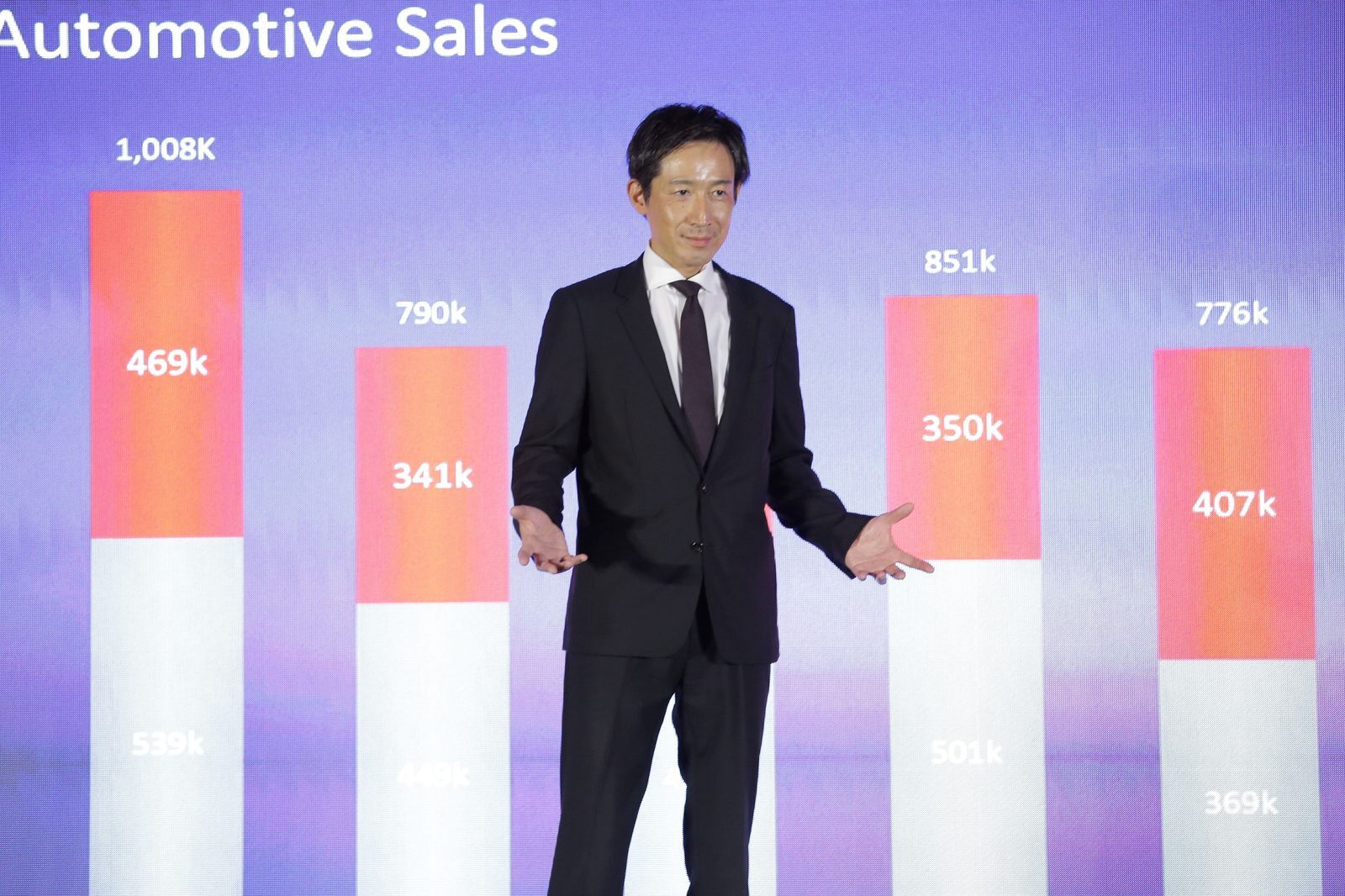
The 2026 annual Honda supplier conference is not merely a routine partner meeting; it is a strategic signal marking a major restructuring for long‑term survival amid an automotive battlefield increasingly threatened by the surge of Chinese electric vehicles, which focus on price wars and rapid launch cycles. Honda’s decision to consolidate all finished‑car production into a single plant in Prachinburi Province reflects a Lean organizational strategy to centralize resources and eliminate redundant costs in the production line. From a cost‑optimization perspective, this approach will boost machine efficiency and warehouse space utilization, achieving the highest possible break‑even point in a domestic market where sales may no longer be as robust as in the past.
What is especially noteworthy is the accelerated speed of integrating AI artificial intelligence systems and End-to-End Visibility intelligent logistics technology with all 252 supplier companies. This is a management engineering effort that seeks to address the traditional weaknesses of legacy automakers, which often have complex and time‑consuming parts delivery processes. Driving down production‑line costs by pushing Industry Standard Parts together with reducing lead time clearly shows that Honda is preparing its supply chain to support new vehicle platforms that will be launched in the future, which are likely to feature a greater variety of hybrid and 100% electric powertrains. Bringing local suppliers forward together through a business continuity plan is a decisive move to create a shield against global raw‑material volatility and to guarantee that the quality of Honda’s after‑sales parts remains a strength that consumers can trust, surpassing newer brands in the market.