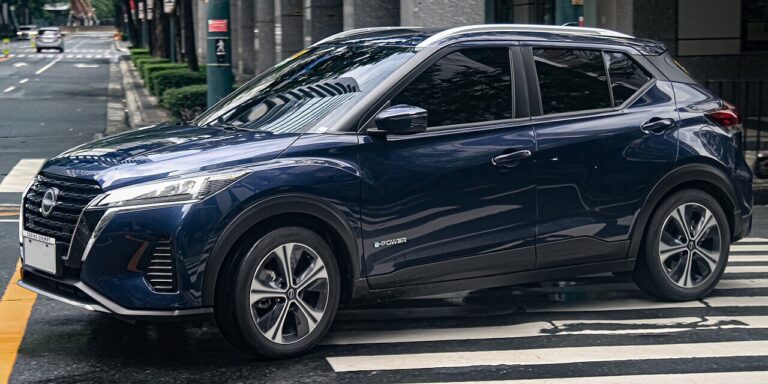
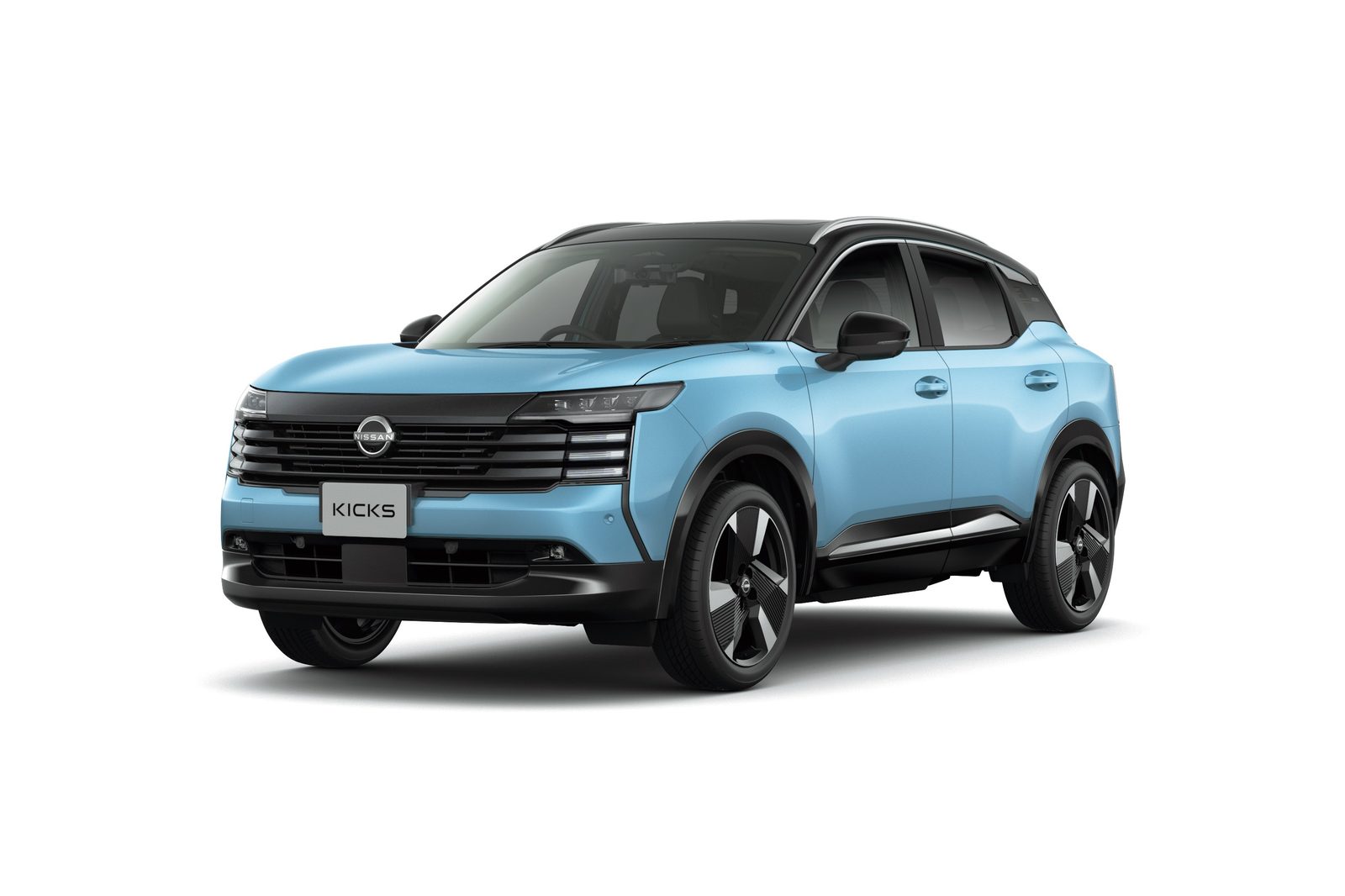
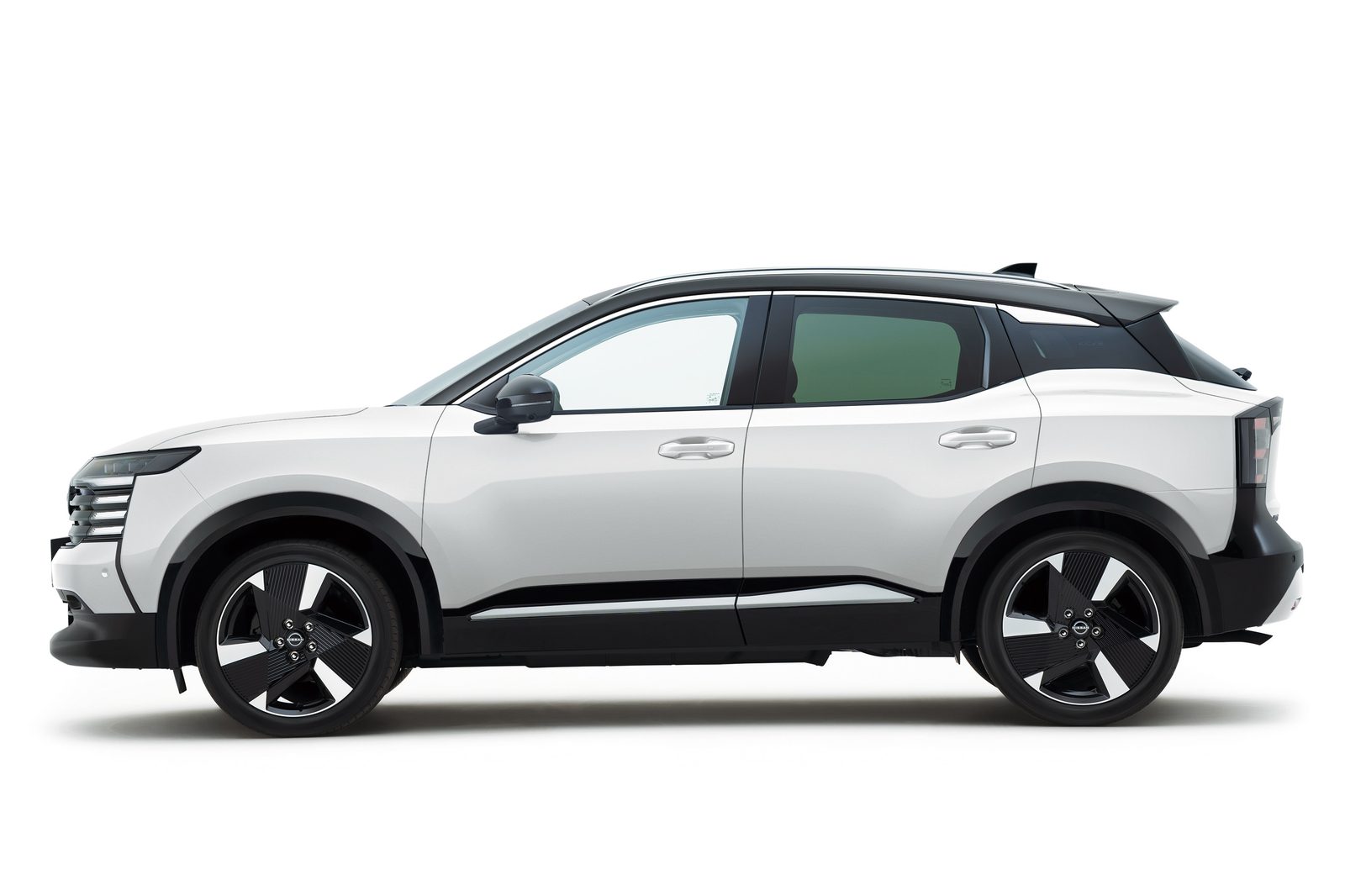
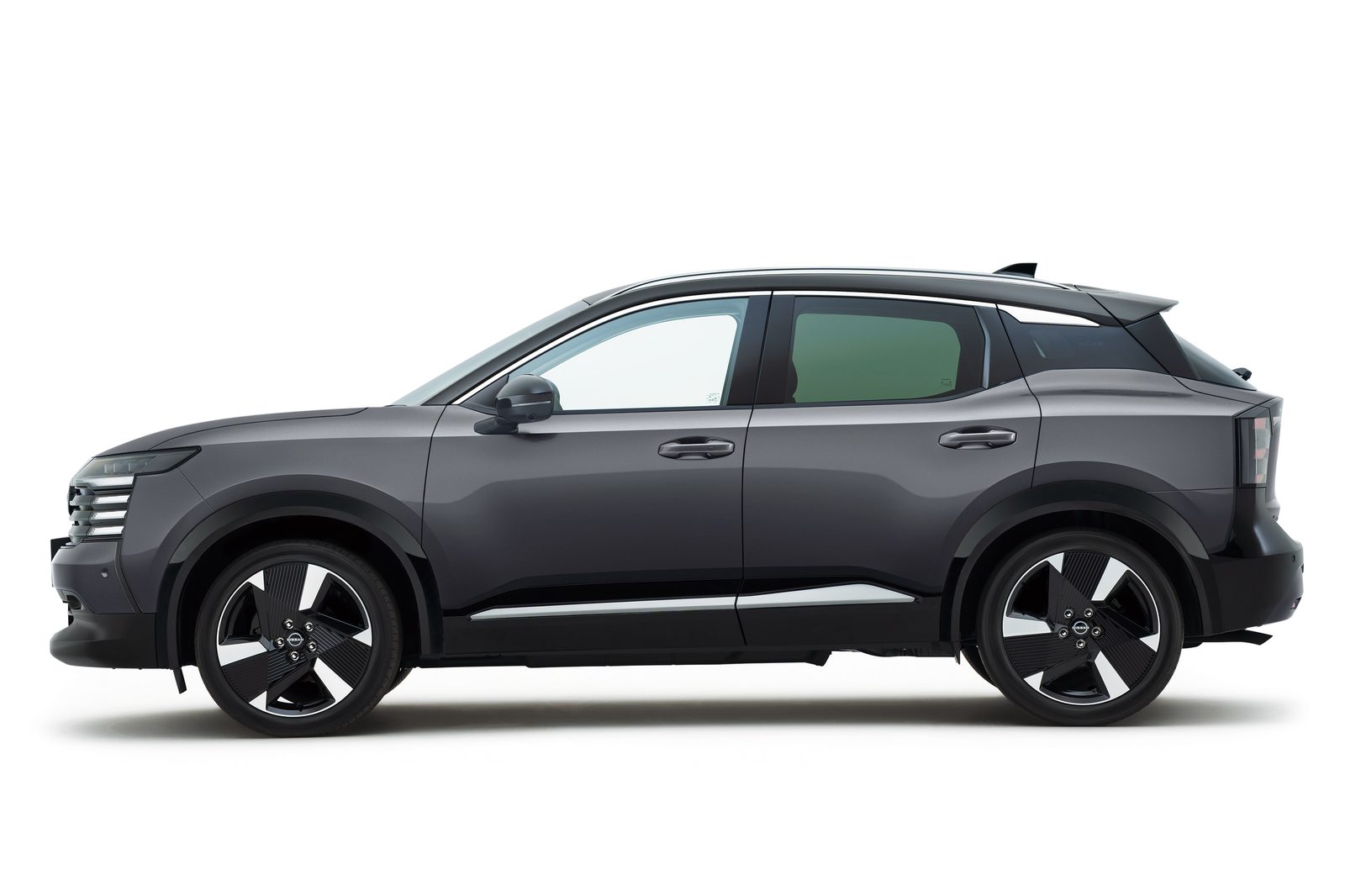
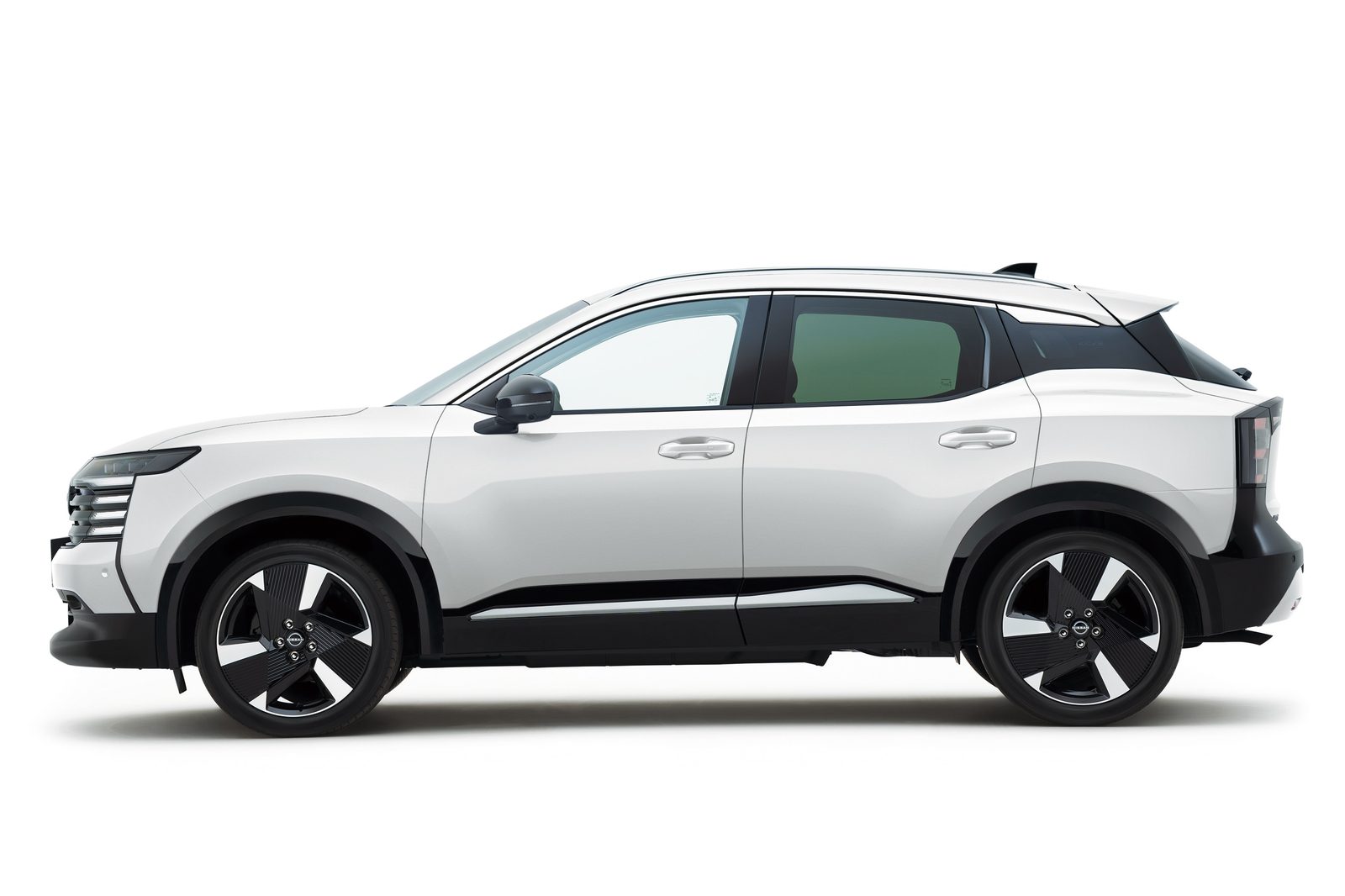
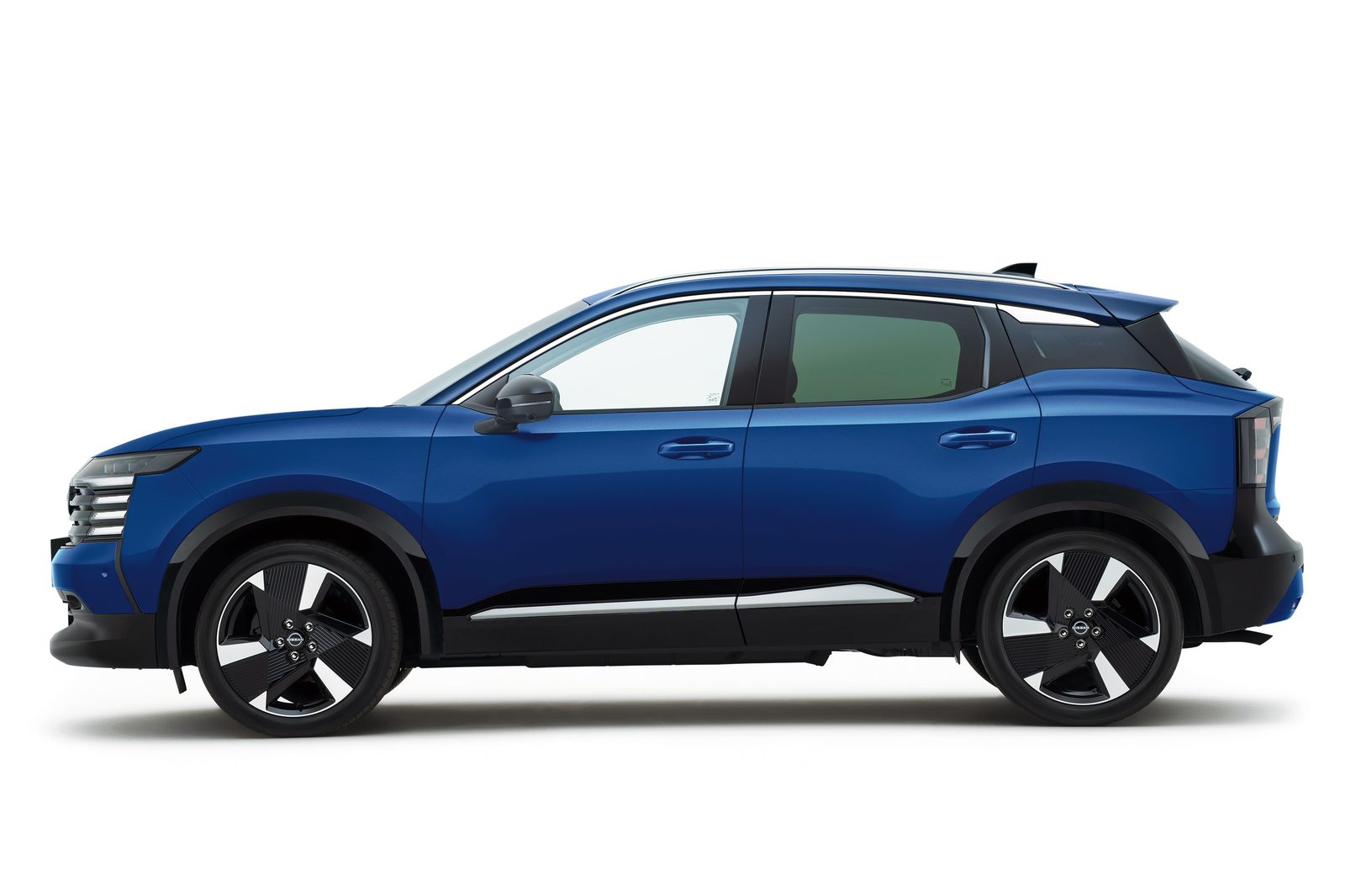
Nissan Motor Co., Ltd. announced the official launch of the 2nd generation Nissan Kicks 2026, a popular compact SUV, in Yokohama, Japan. Sales are scheduled to commence on June 18th. This major model change comes with an aggressive, sleek, and sporty design, and significantly, a major technological engineering upgrade with the installation of the 3rd generation e-POWER electric powertrain along with the intelligent e-4ORCE all-wheel-drive system for the first time in this family lineup. This aims to meet the needs of customers looking for economy, quietness, and enjoyable driving in their daily lives and recreational activities.
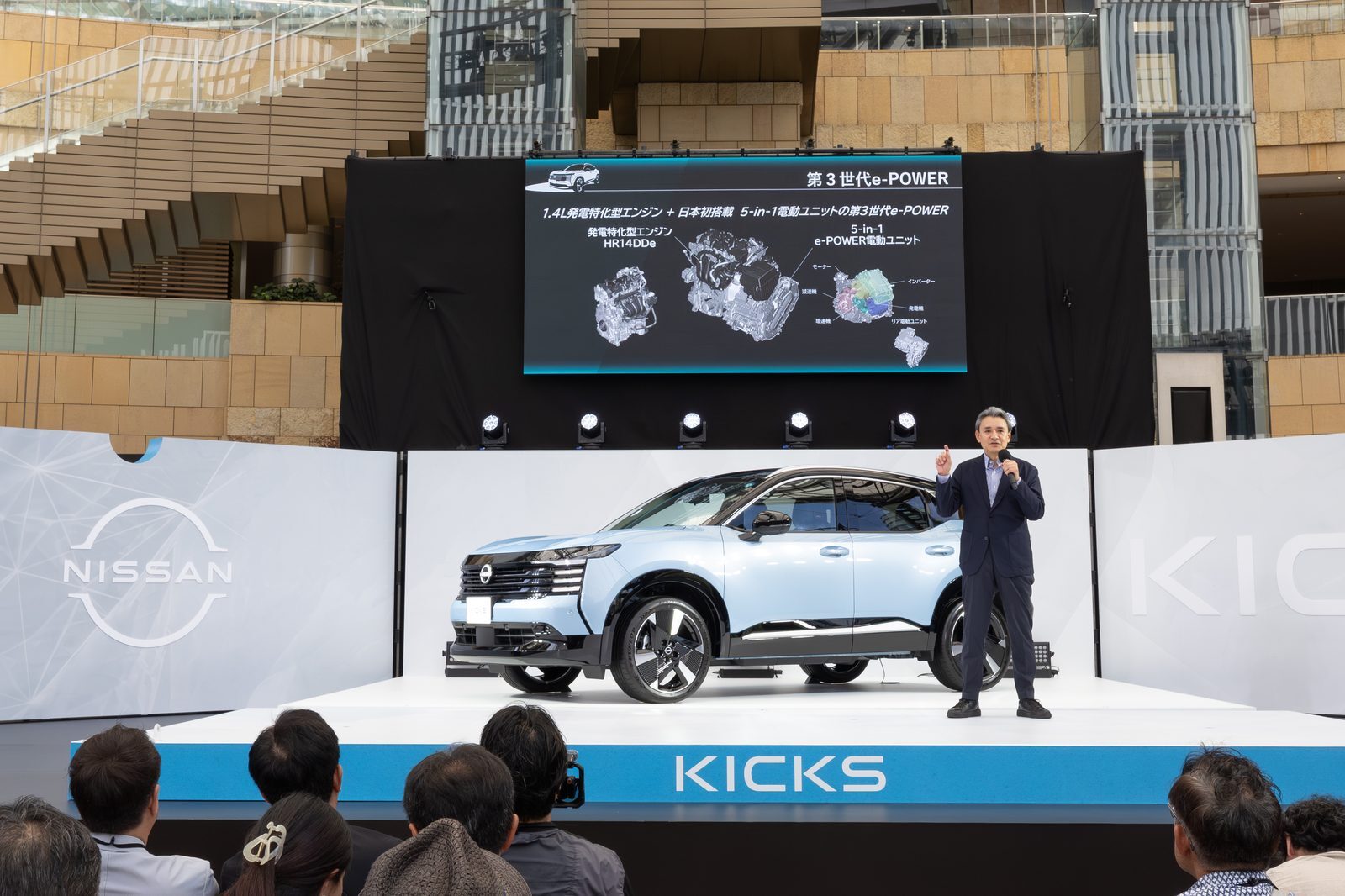
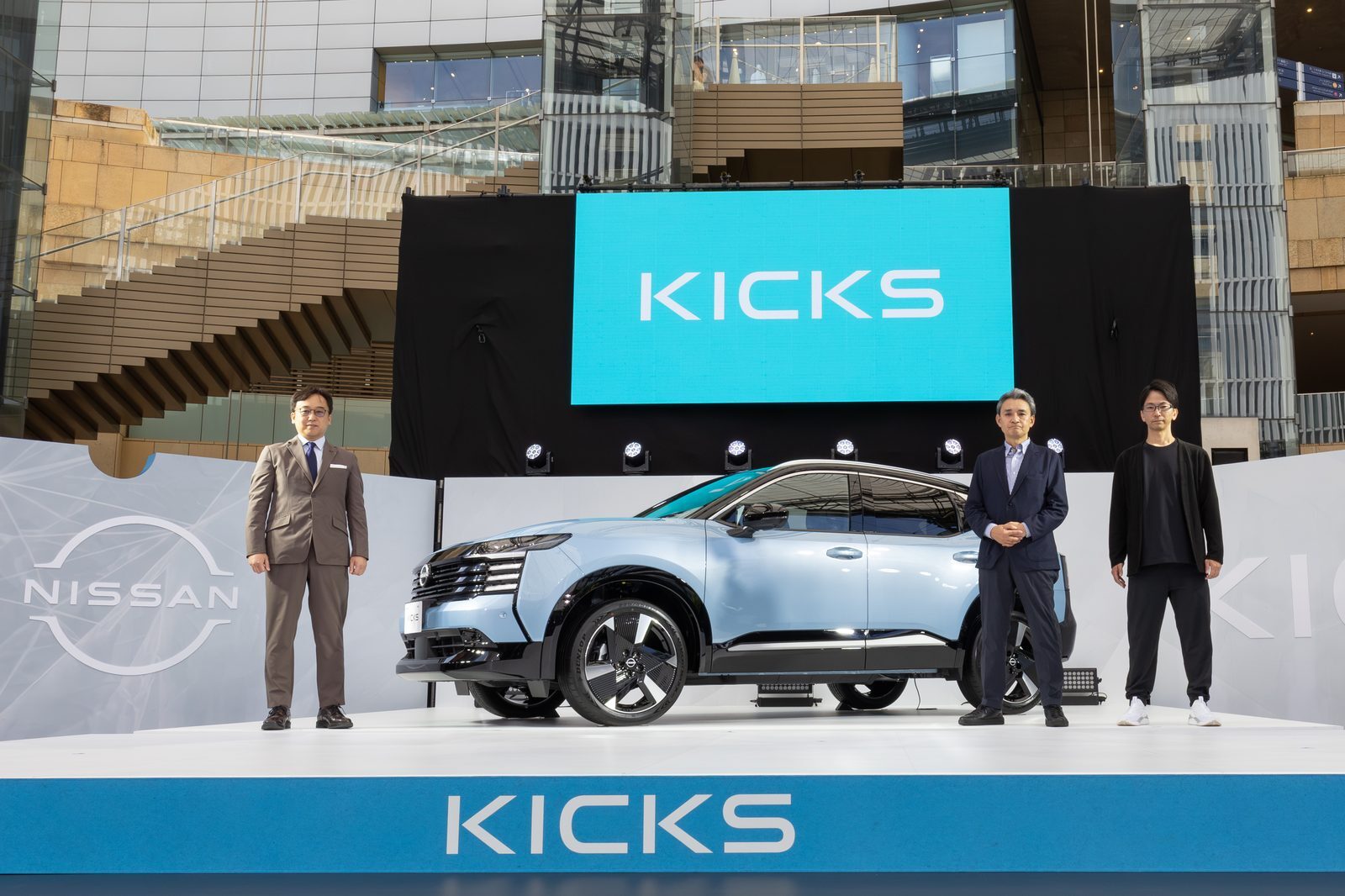
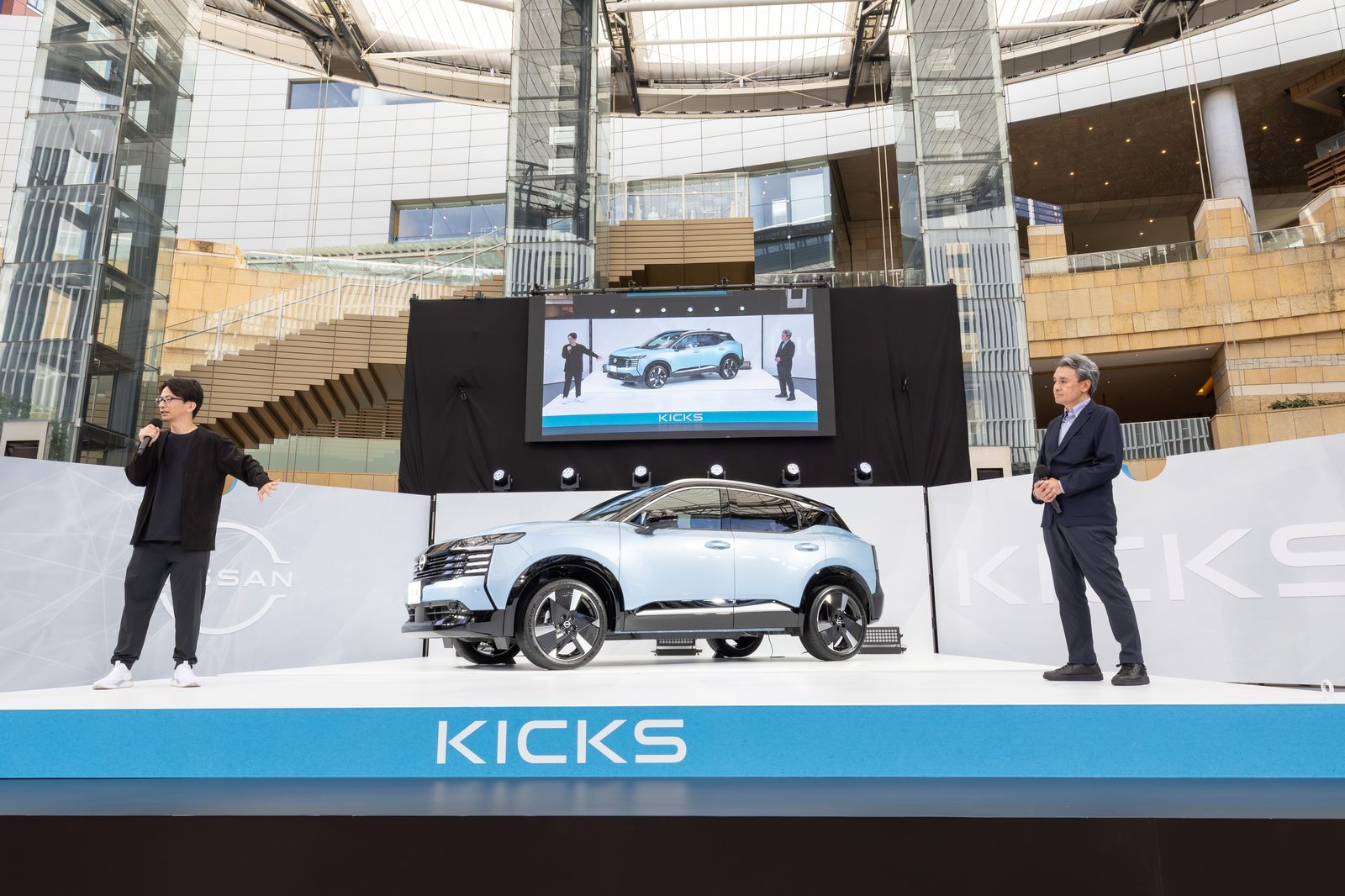
NISSAN KICKS 2026 in Japan
Nissan Kicks 2026 Japan-spec is powered by a 5-in-1 modular electric motor system, a new electric unit that integrates 5 key components: motor, generator, inverter, reduction gear, and step-up gear into a single unit. This helps reduce the system's overall weight and maximize compactness and rigidity. This electric system works in conjunction with a brand-new 1.4-liter HR14DDe gasoline engine, specifically developed to generate electricity. This results in rapid power generation and delivers excellent cabin quietness.
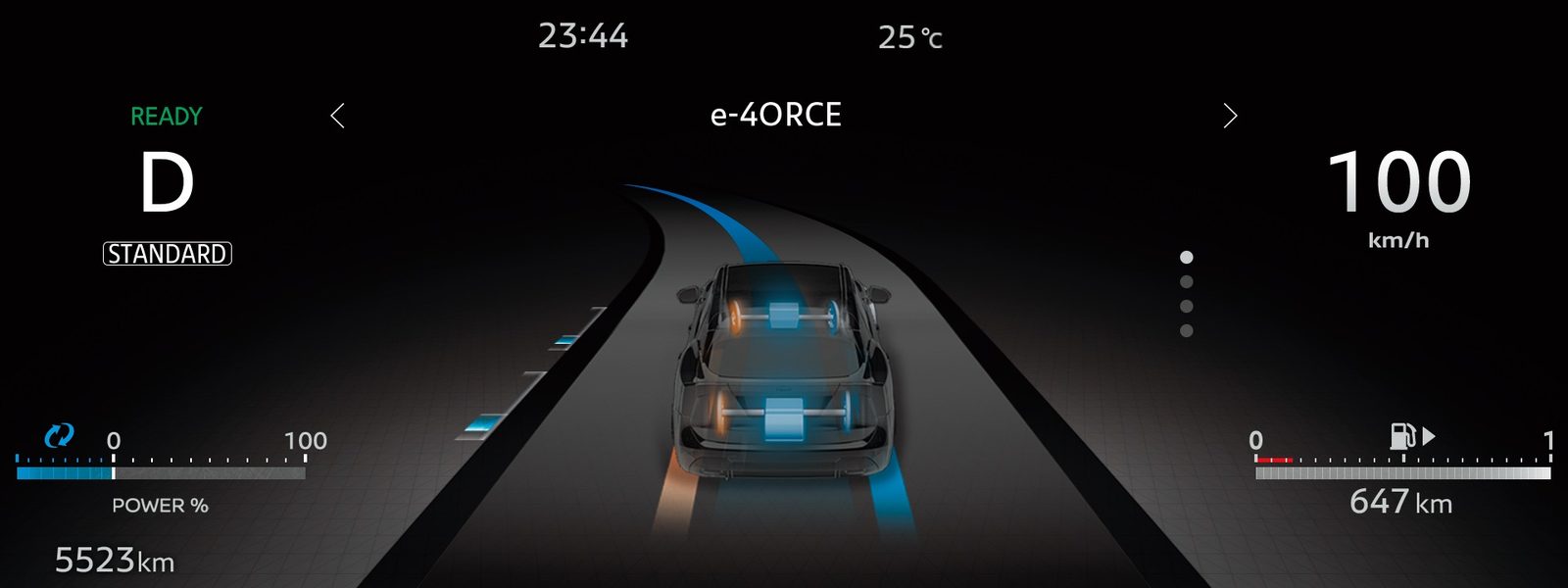
Additionally, the specially developed full-electric e-4ORCE all-wheel drive system will distribute torque and independently control braking to each wheel, enhancing road-holding stability and precise cornering. It also reduces cabin sway, providing maximum smoothness in all road conditions, and includes an added Snow Mode to boost driving confidence.
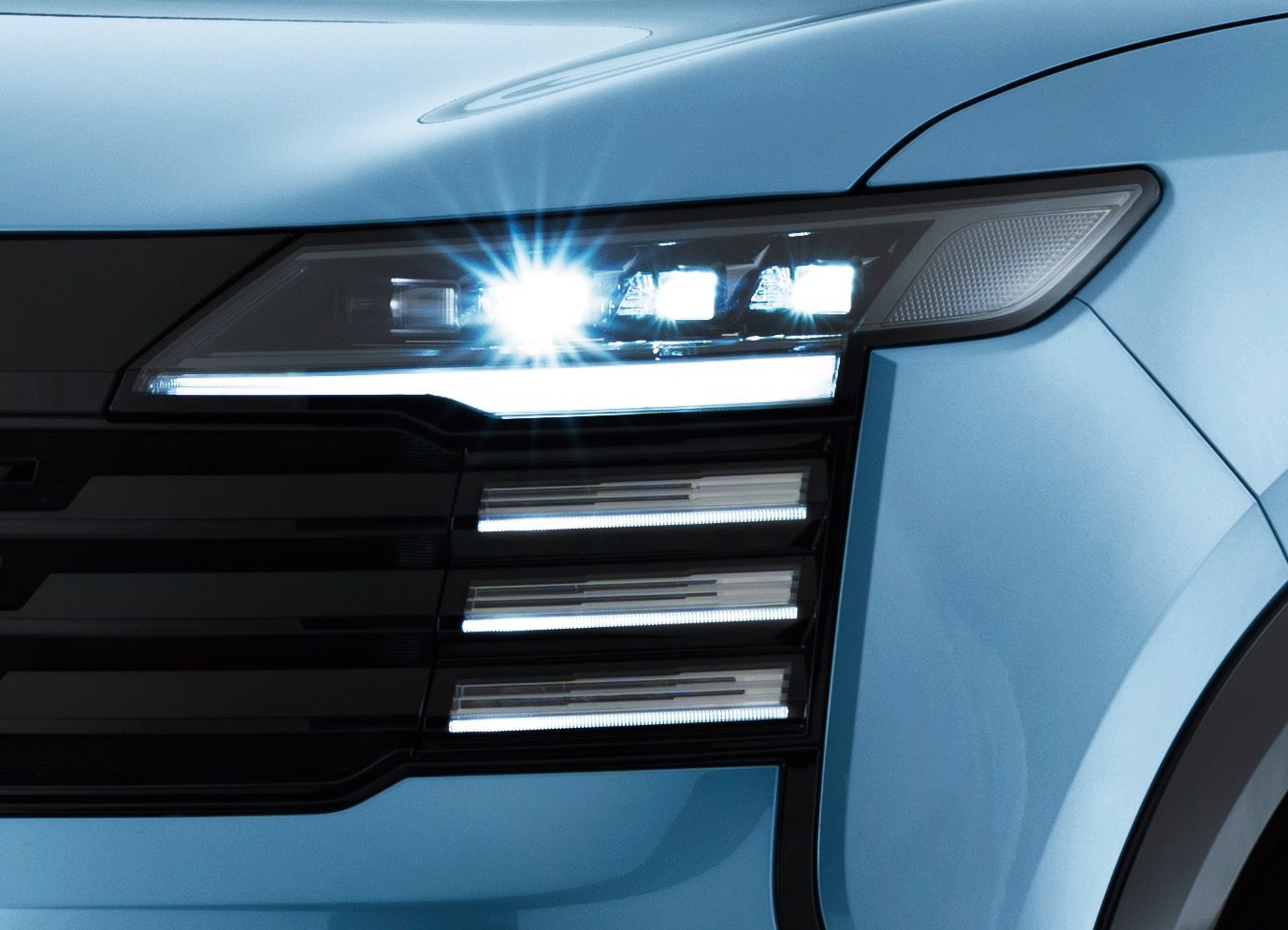
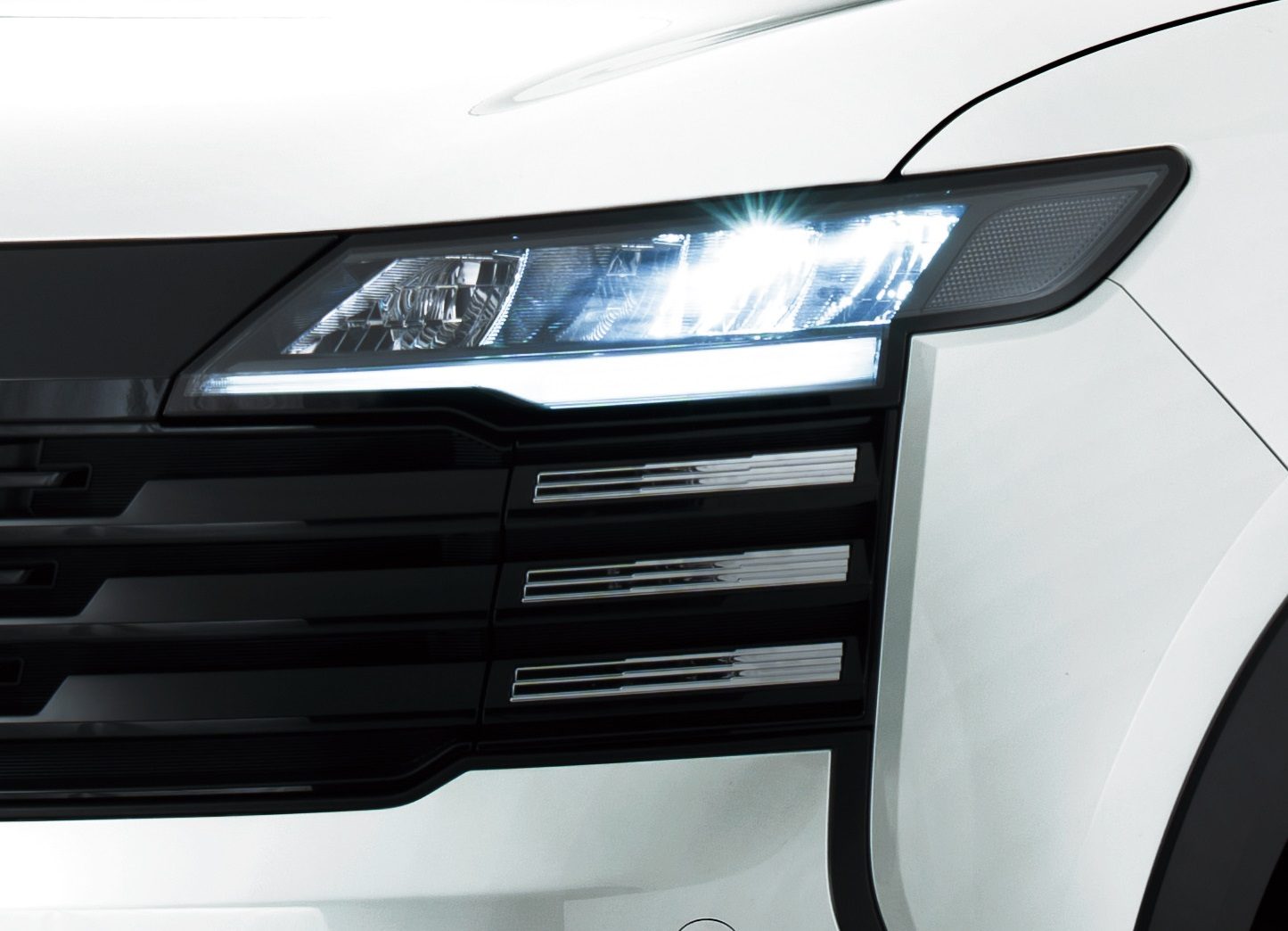
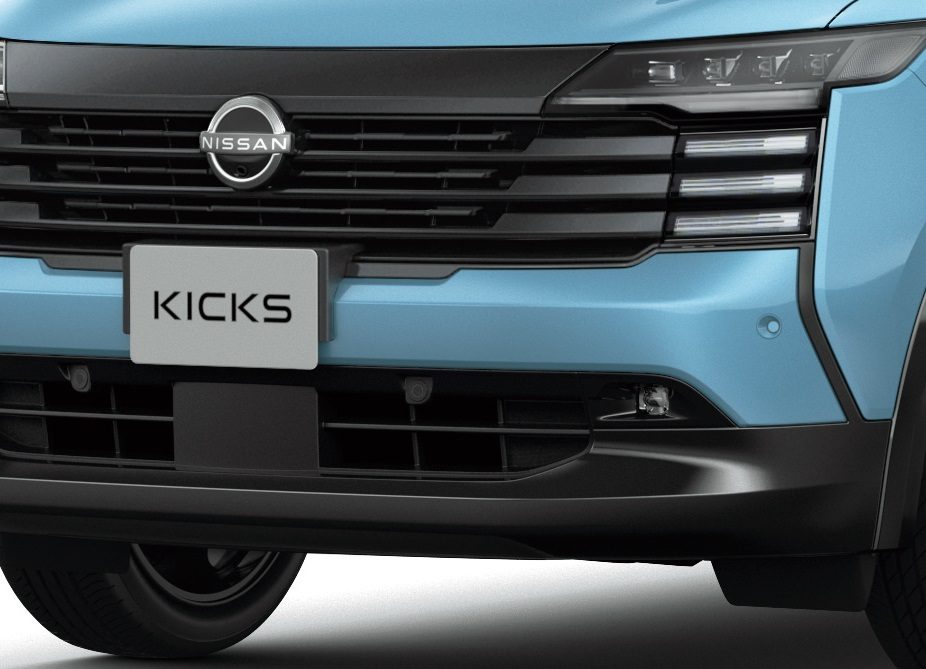
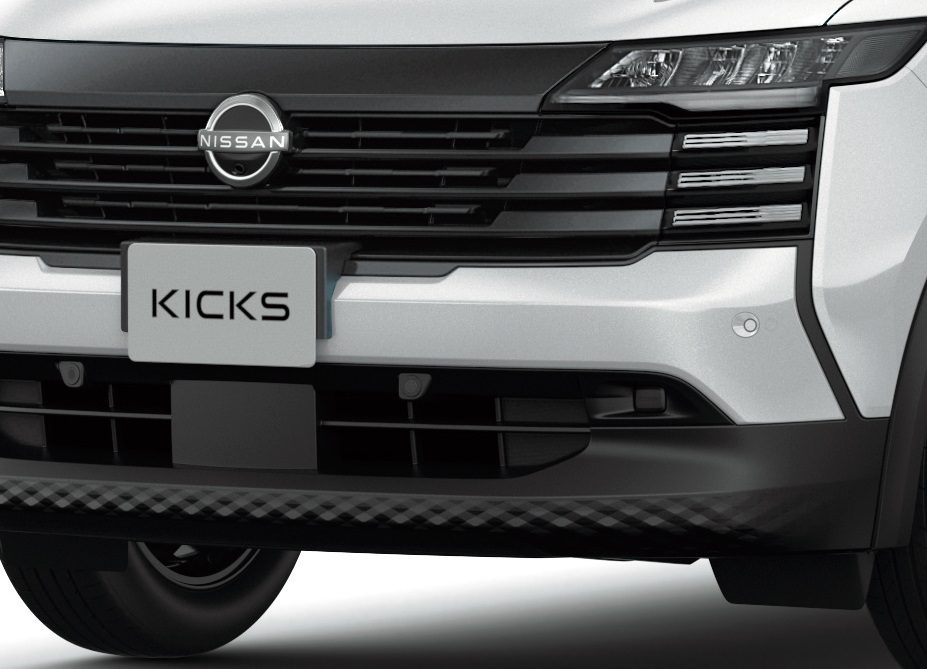
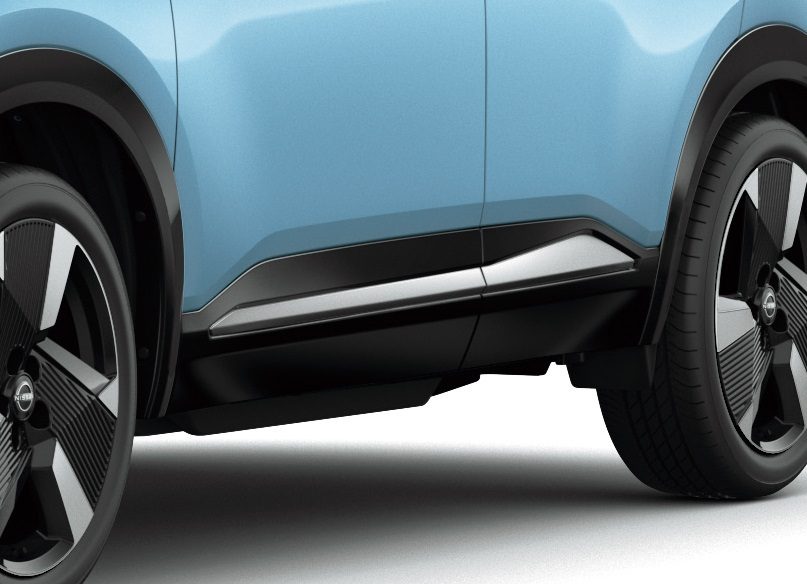
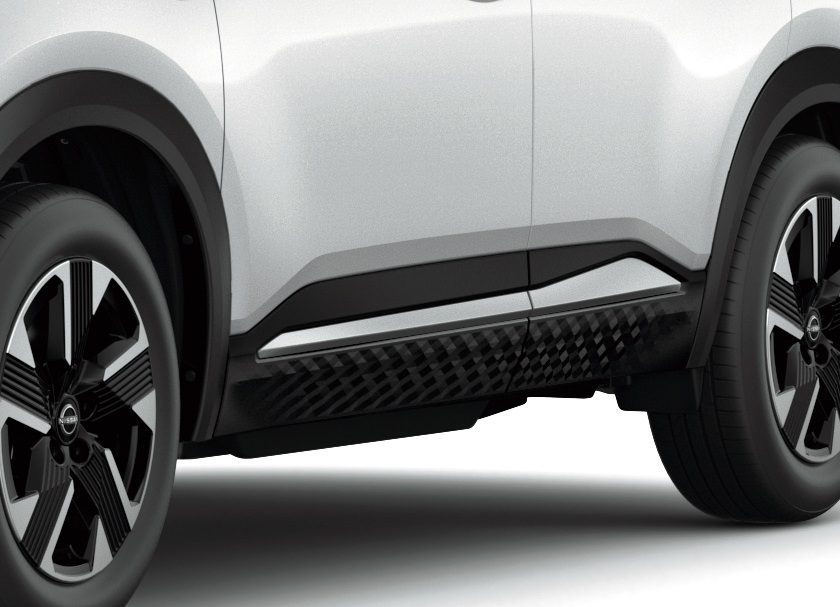
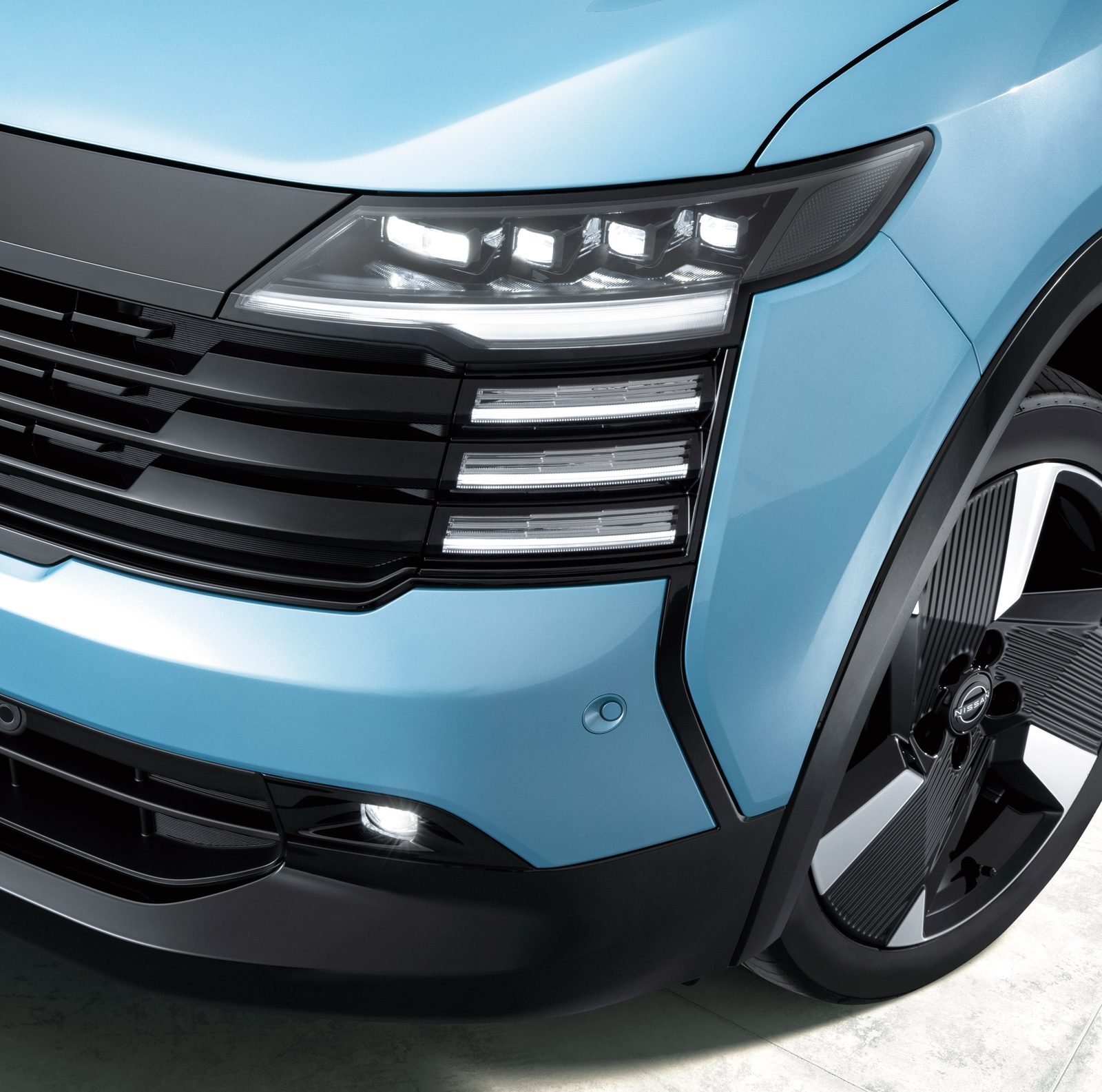
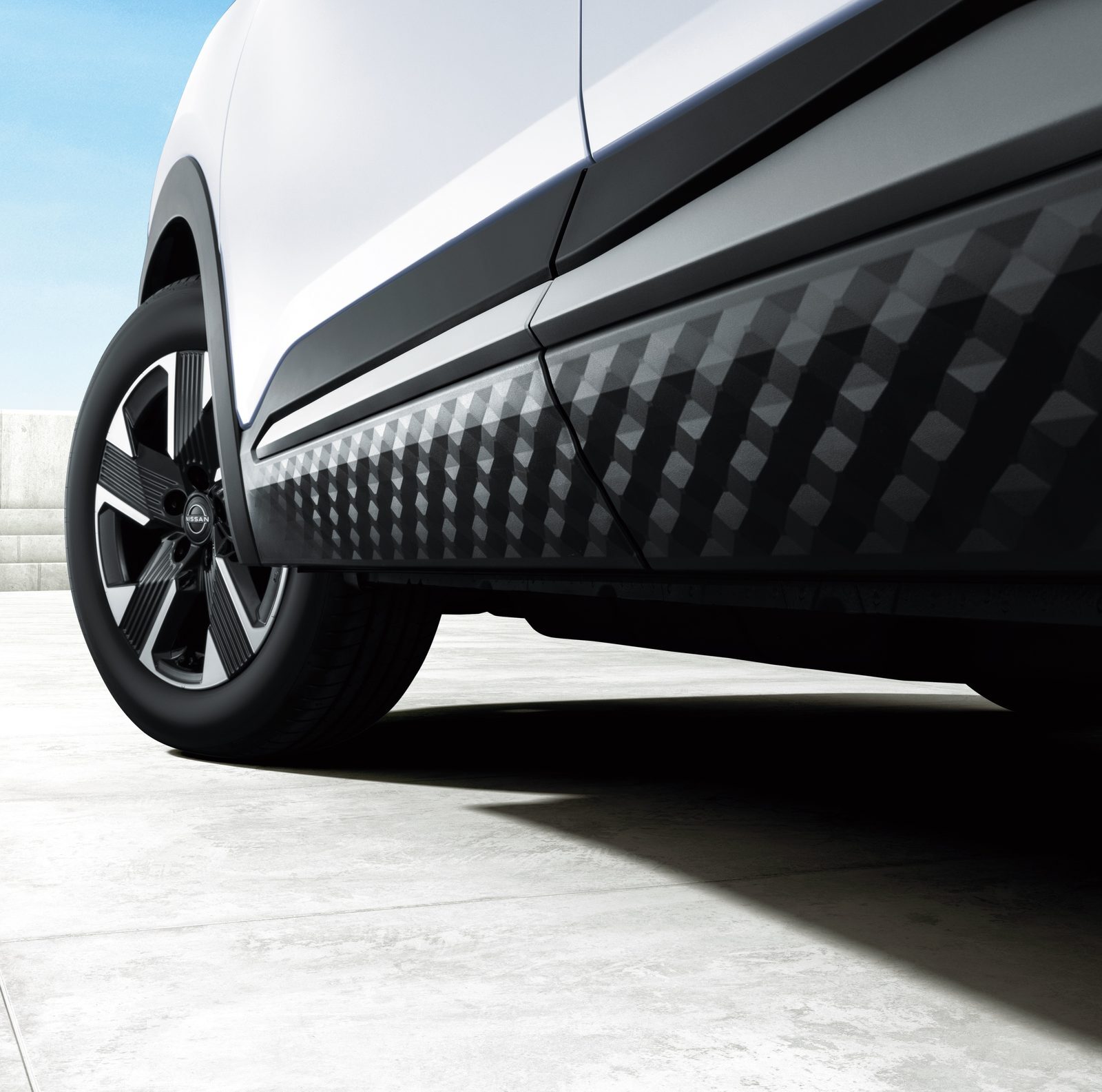
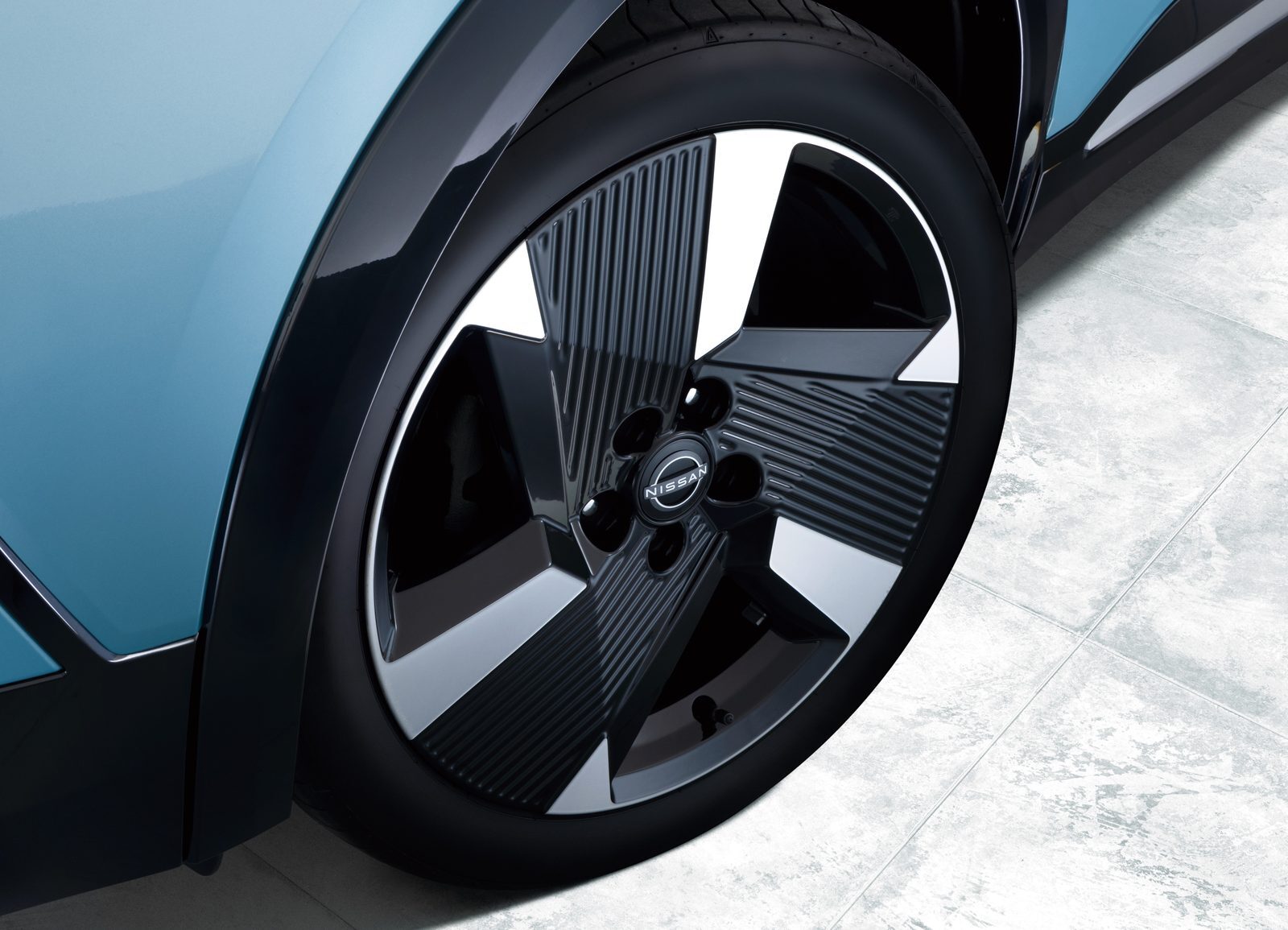
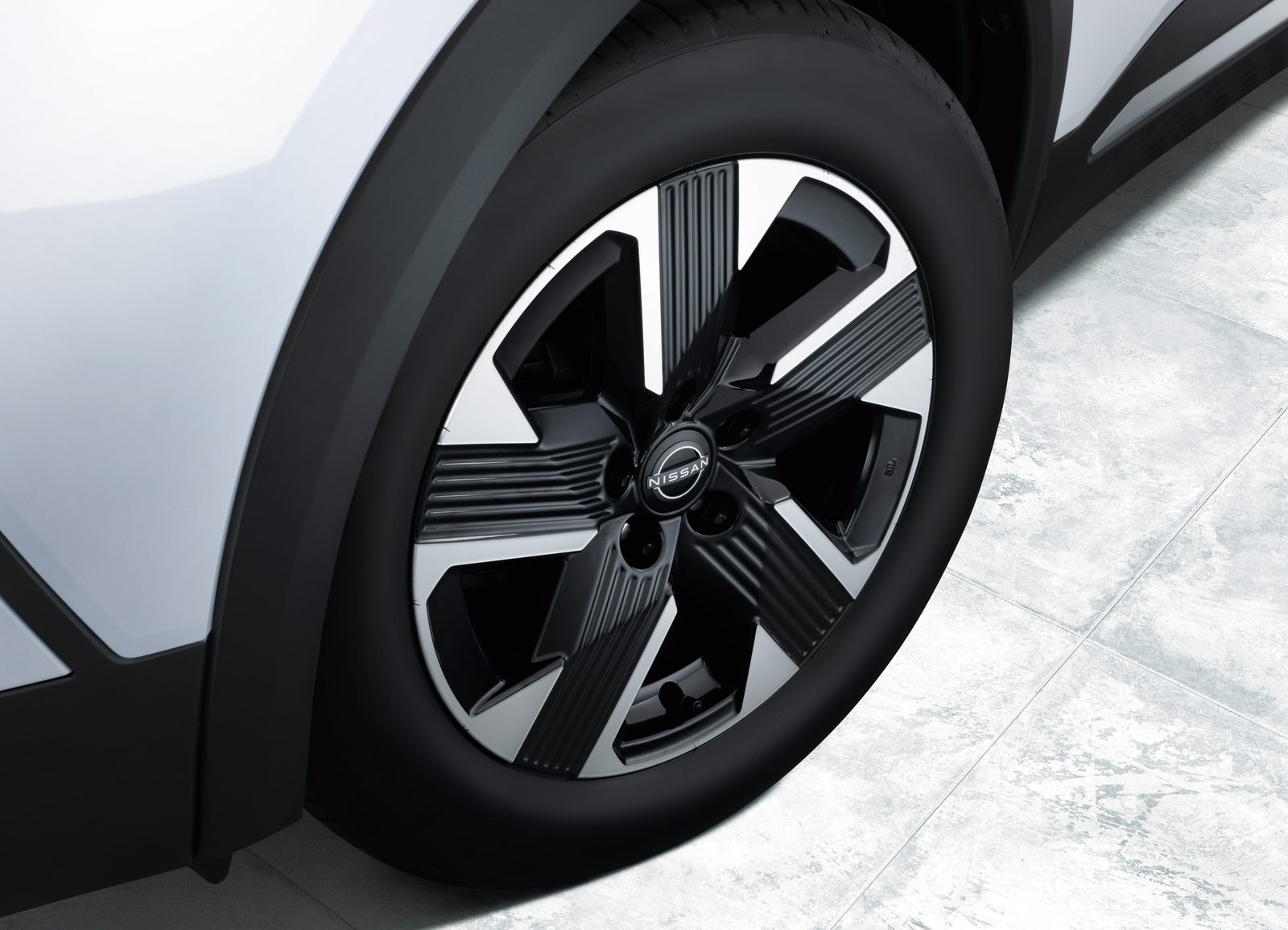
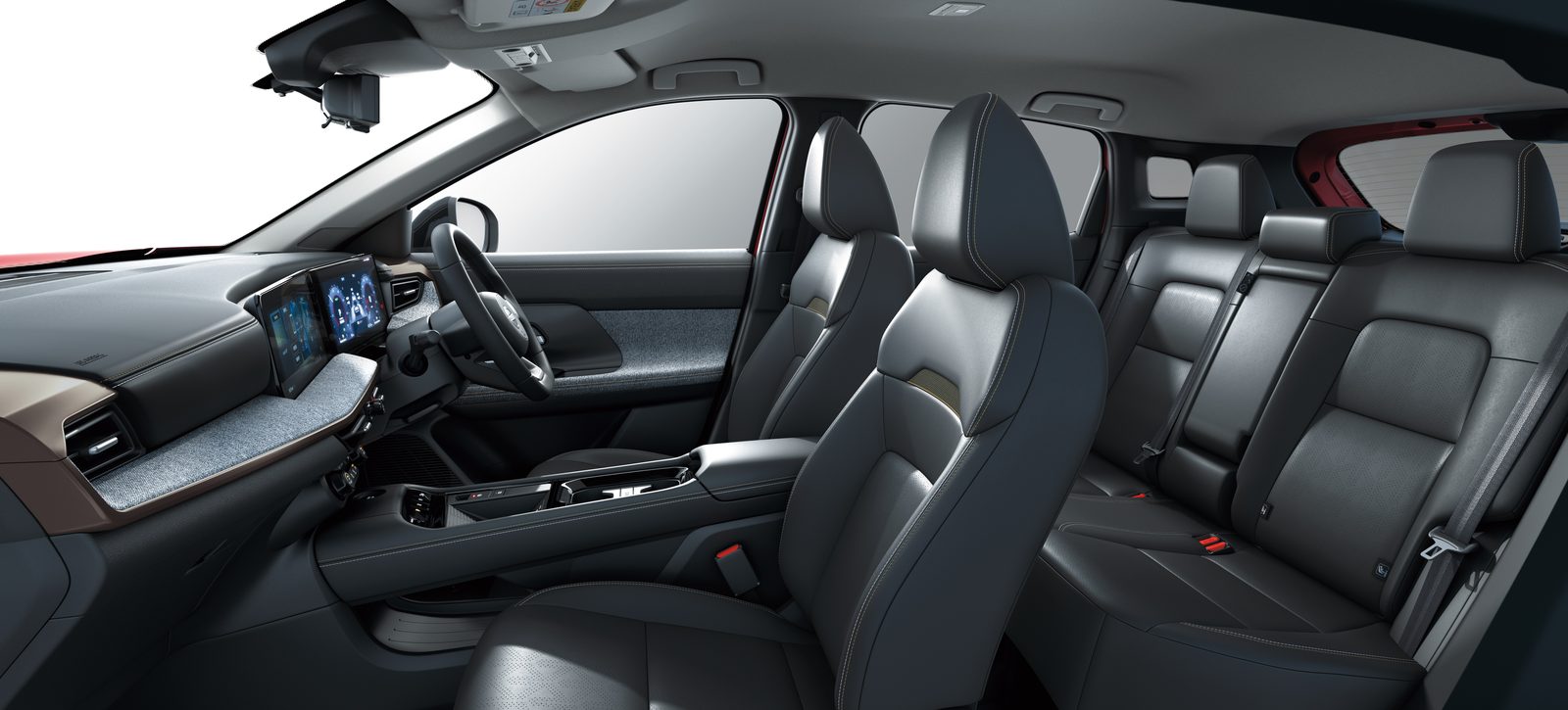
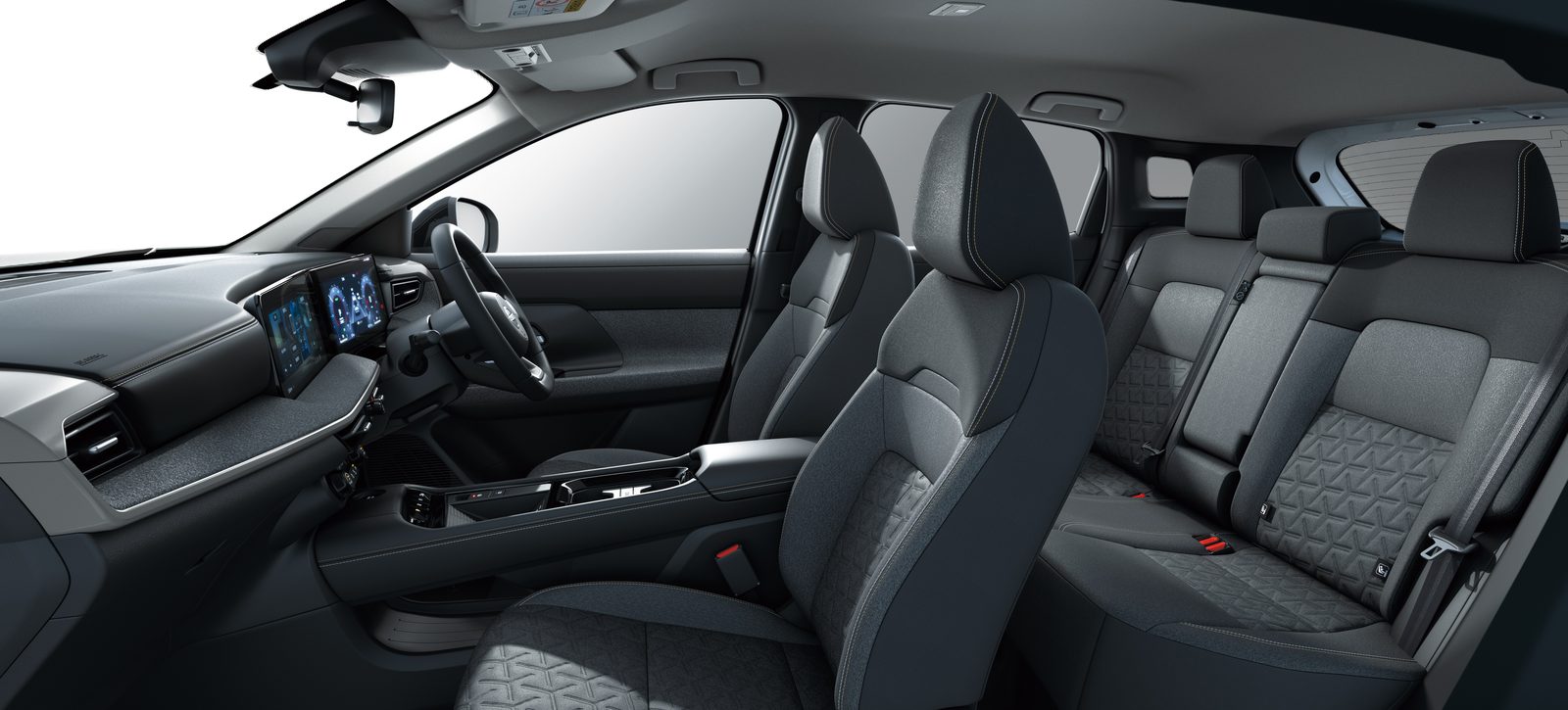
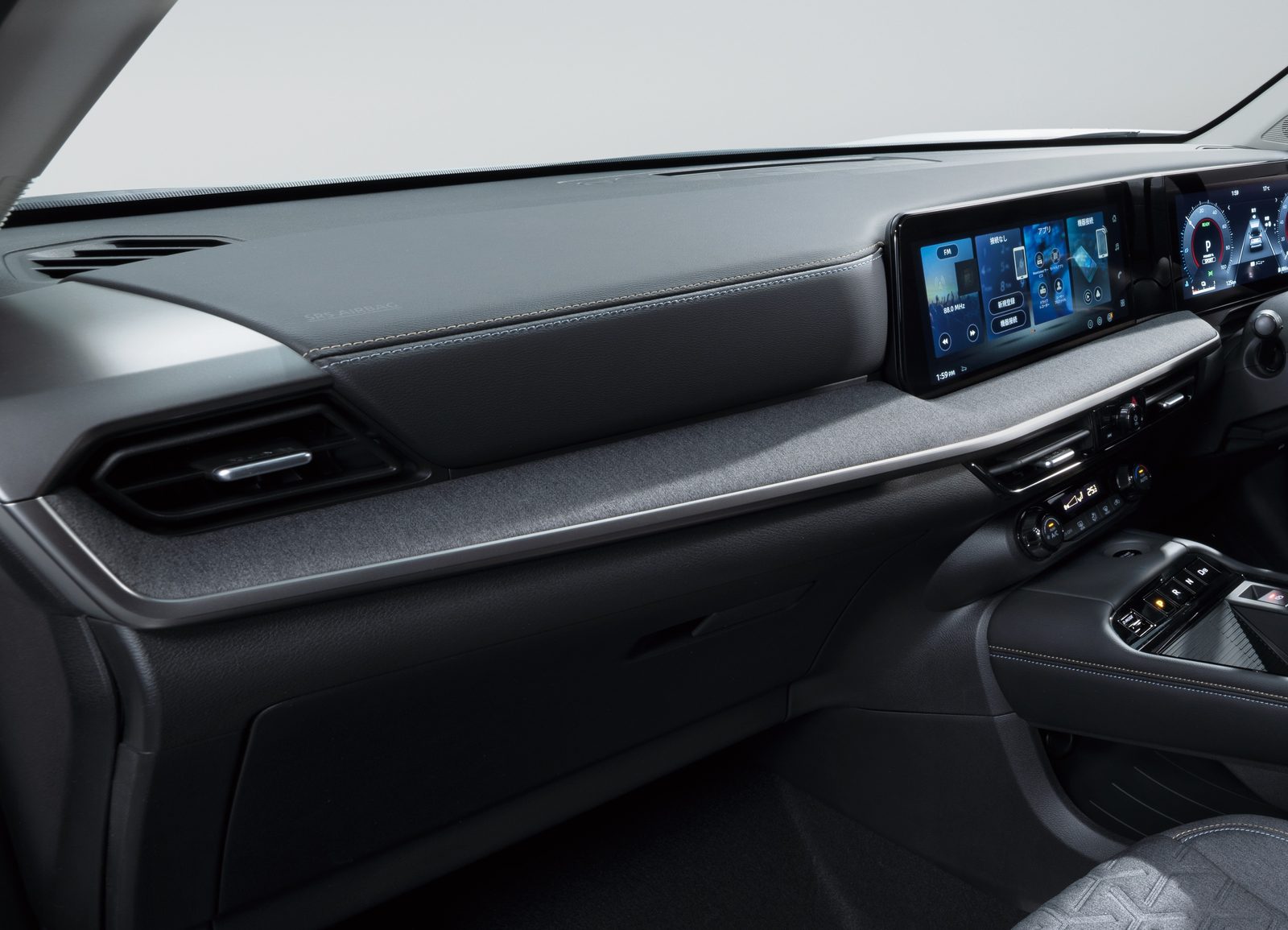
The exterior design has been transformed with a design inspired by American football helmets, combining a large, full-width horizontal grille with Signature Lighting. For the top-spec Grade G variant, it will feature premium decoration with Gloss Black material on the bumpers all around, while the Grade X, Grade X+, and Grade X Simple Package variants will have their bumpers and side skirts adorned with a honeycomb pattern or a polygon structure resembling sneaker soles to enhance a unique sporty feel. As for the cabin, legroom and headroom have been expanded to be the most spacious in its class. The dashboard is decorated with Soft-touch materials. Additionally, it features Zero Gravity fatigue-reducing technology seats for both front and rear, and a dual integrated 12.3-inch display for driving information and infotainment system that supports the NissanConnect system, which comes with Google system and Google Maps pre-installed in the vehicle.
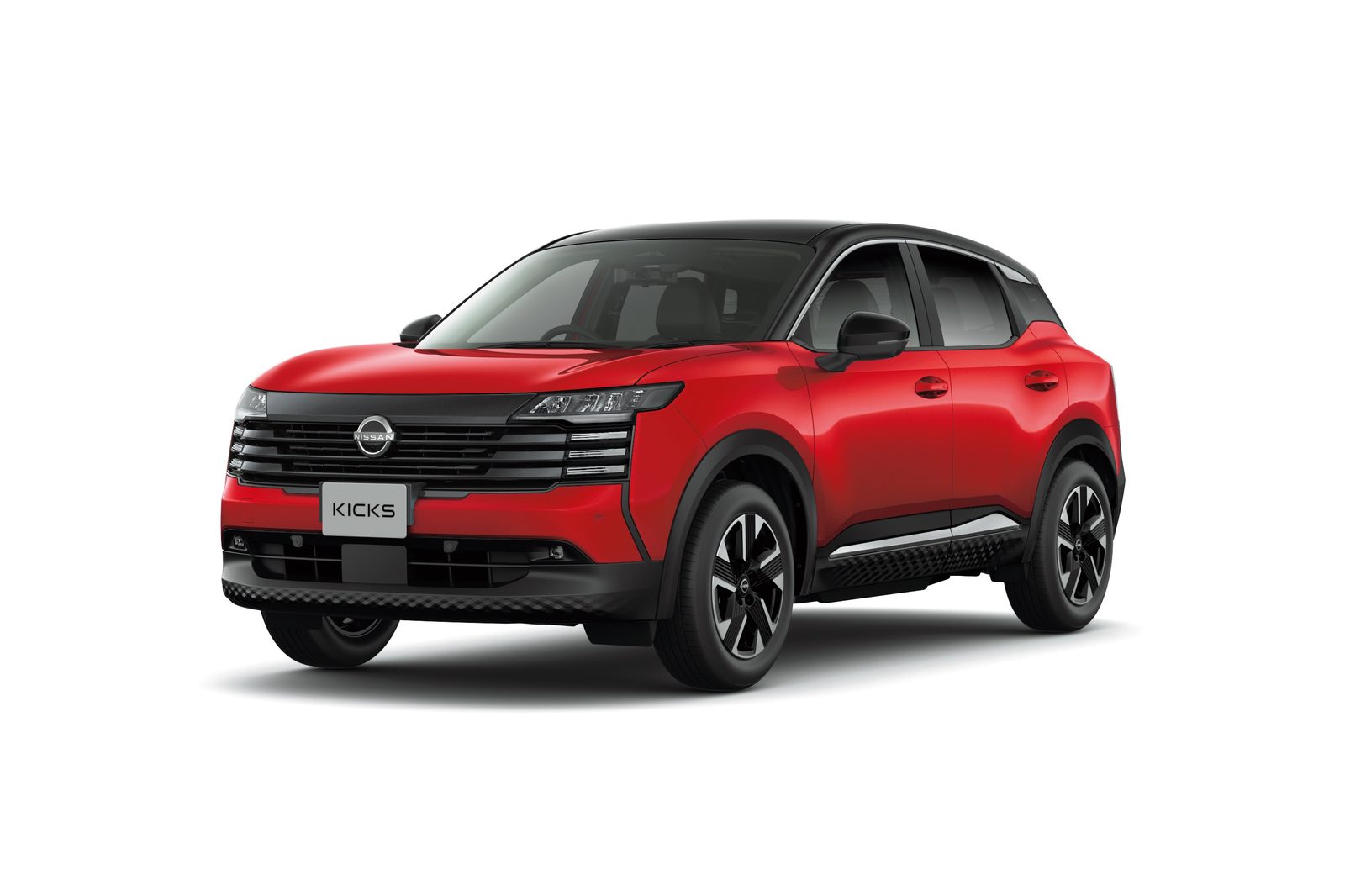
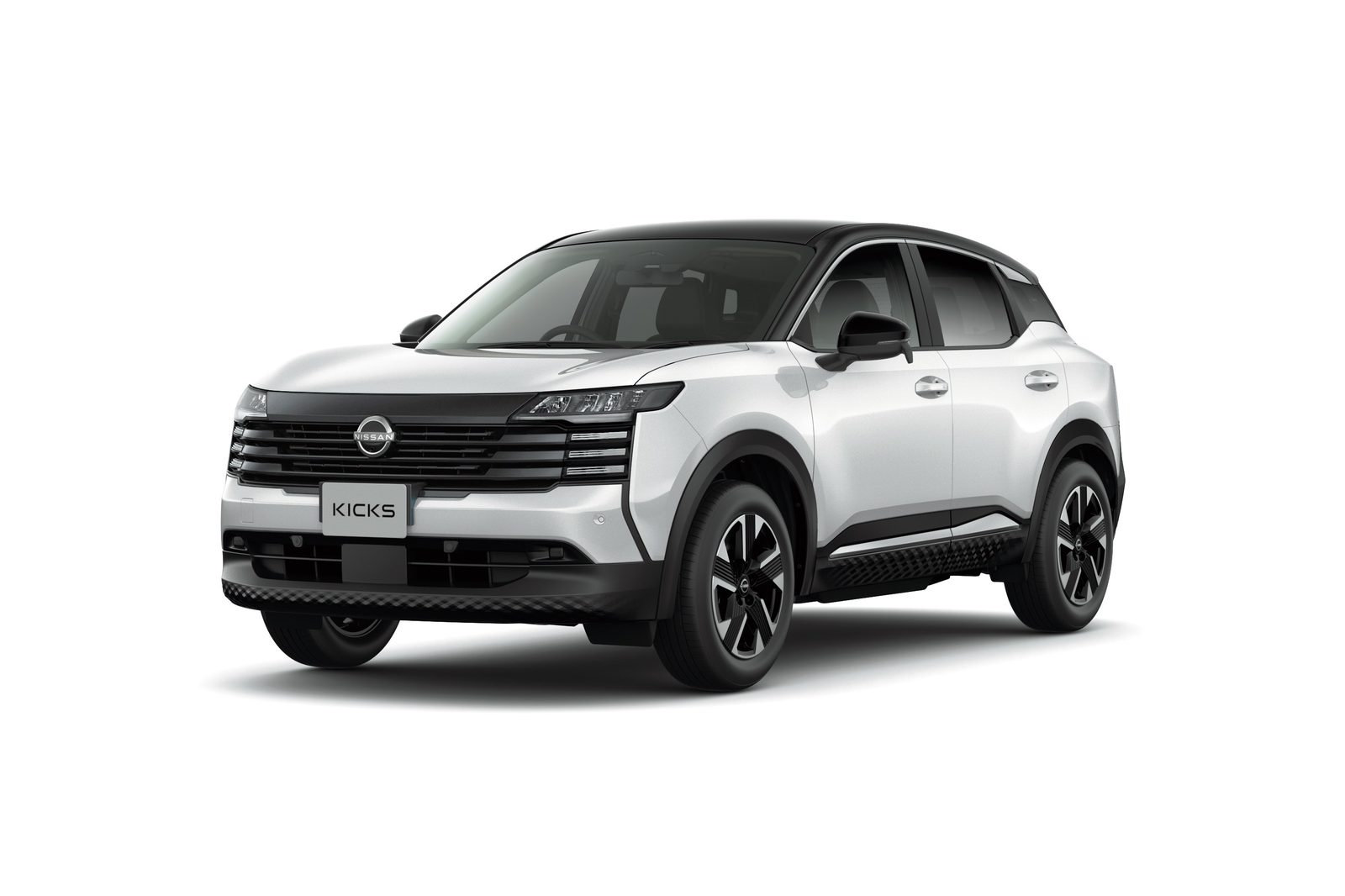
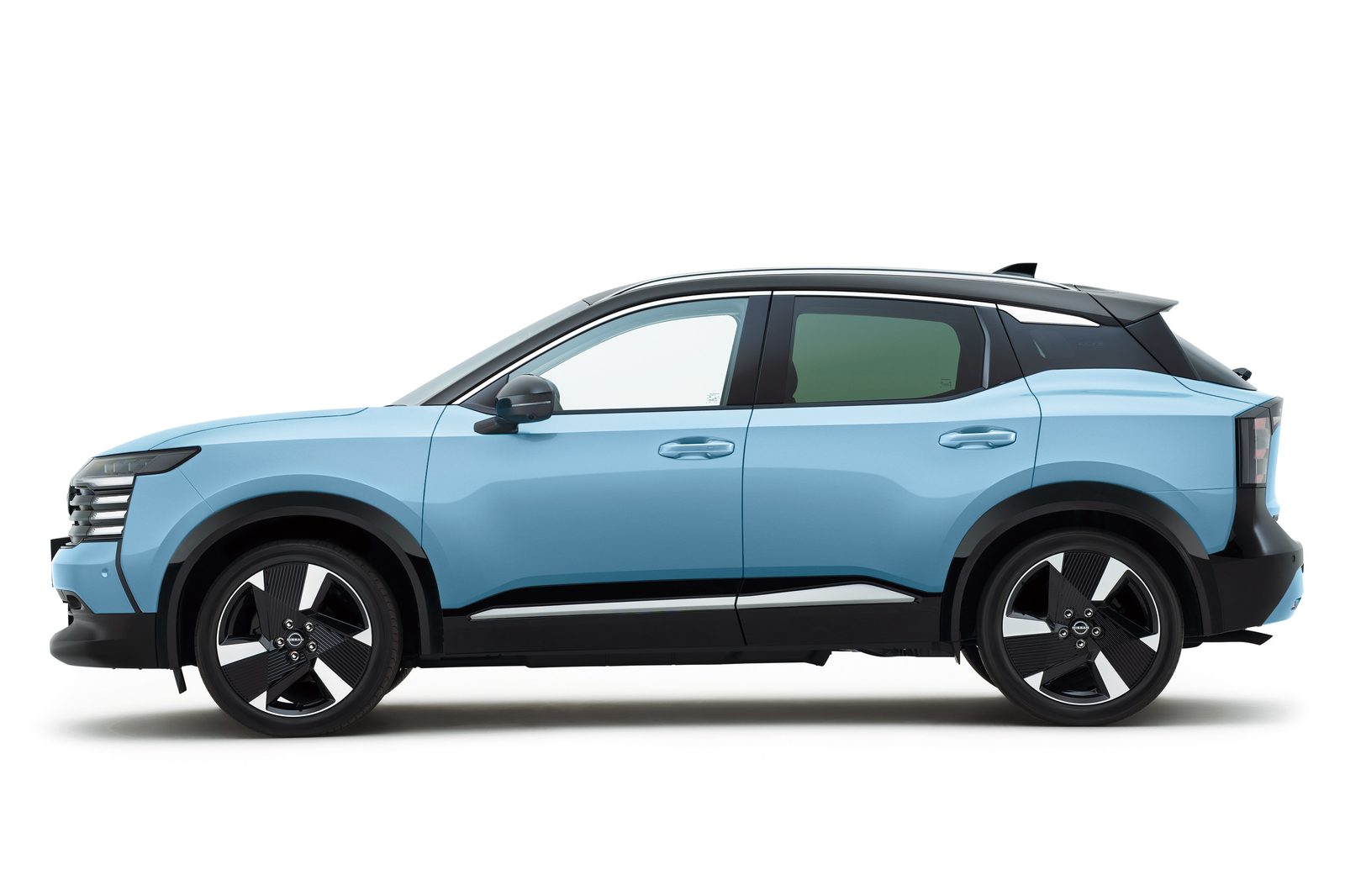
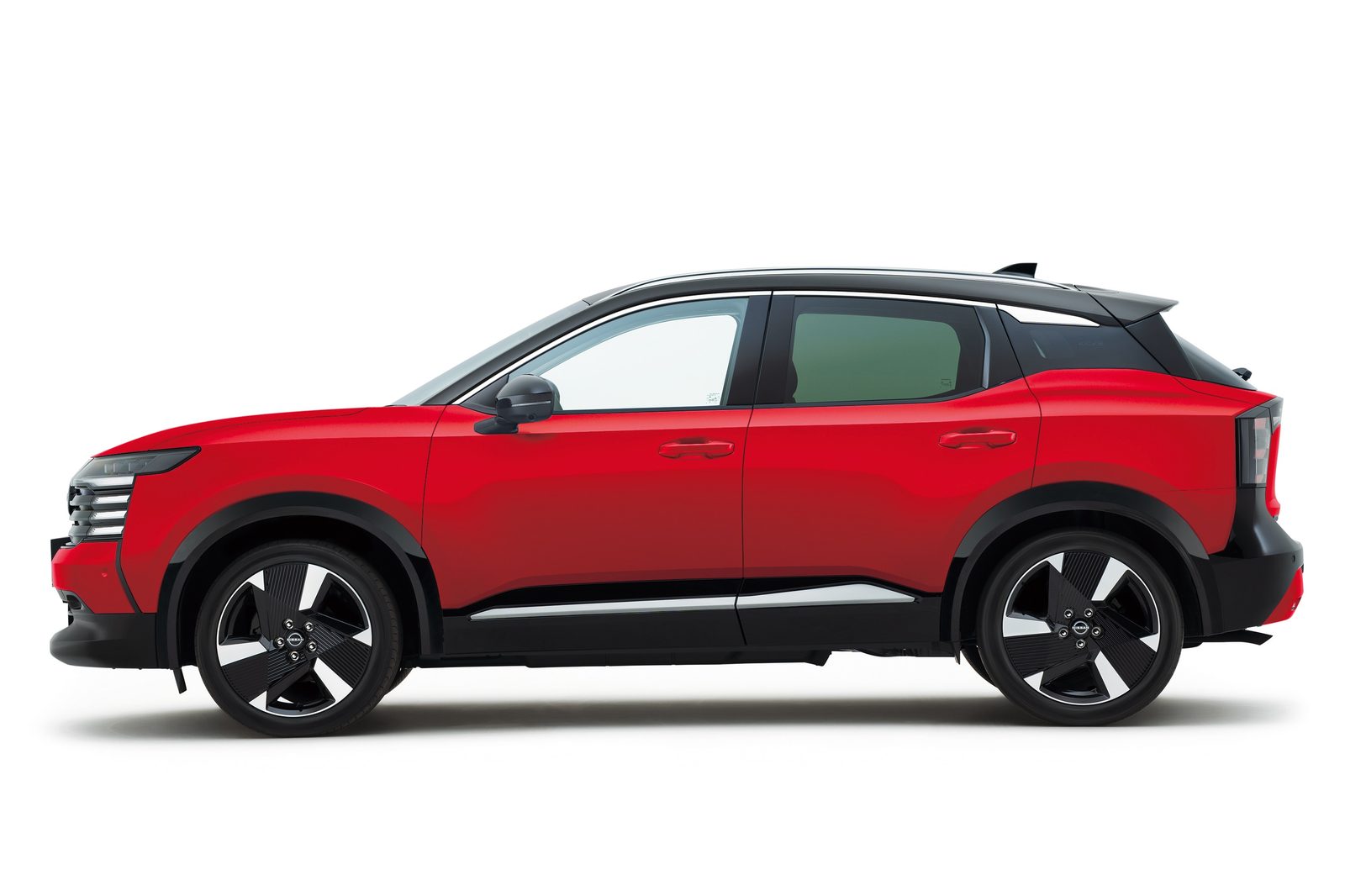
The safety system has been upgraded under Nissan 360° Safety Assist technology, with ProPILOT adaptive cruise control as standard equipment on all sub-models. Supplemented by the Intelligent Around View Monitor omnidirectional camera system, which adds Invisible Hood View, Front Wide View, and 3D View functions. Additionally, the Intelligent Emergency Braking system has enhanced capabilities to more accurately detect oncoming vehicles and pedestrians at intersections.
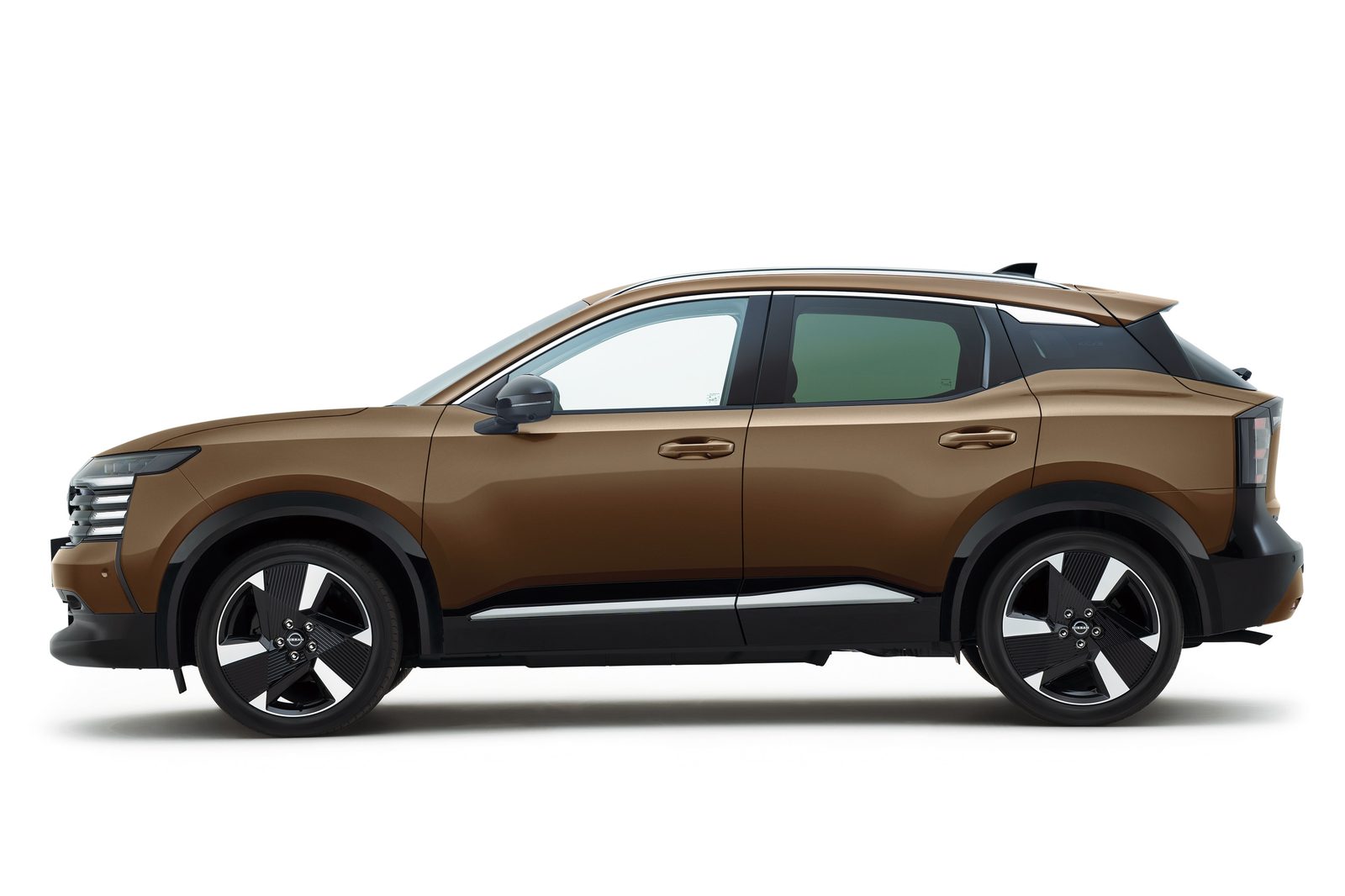
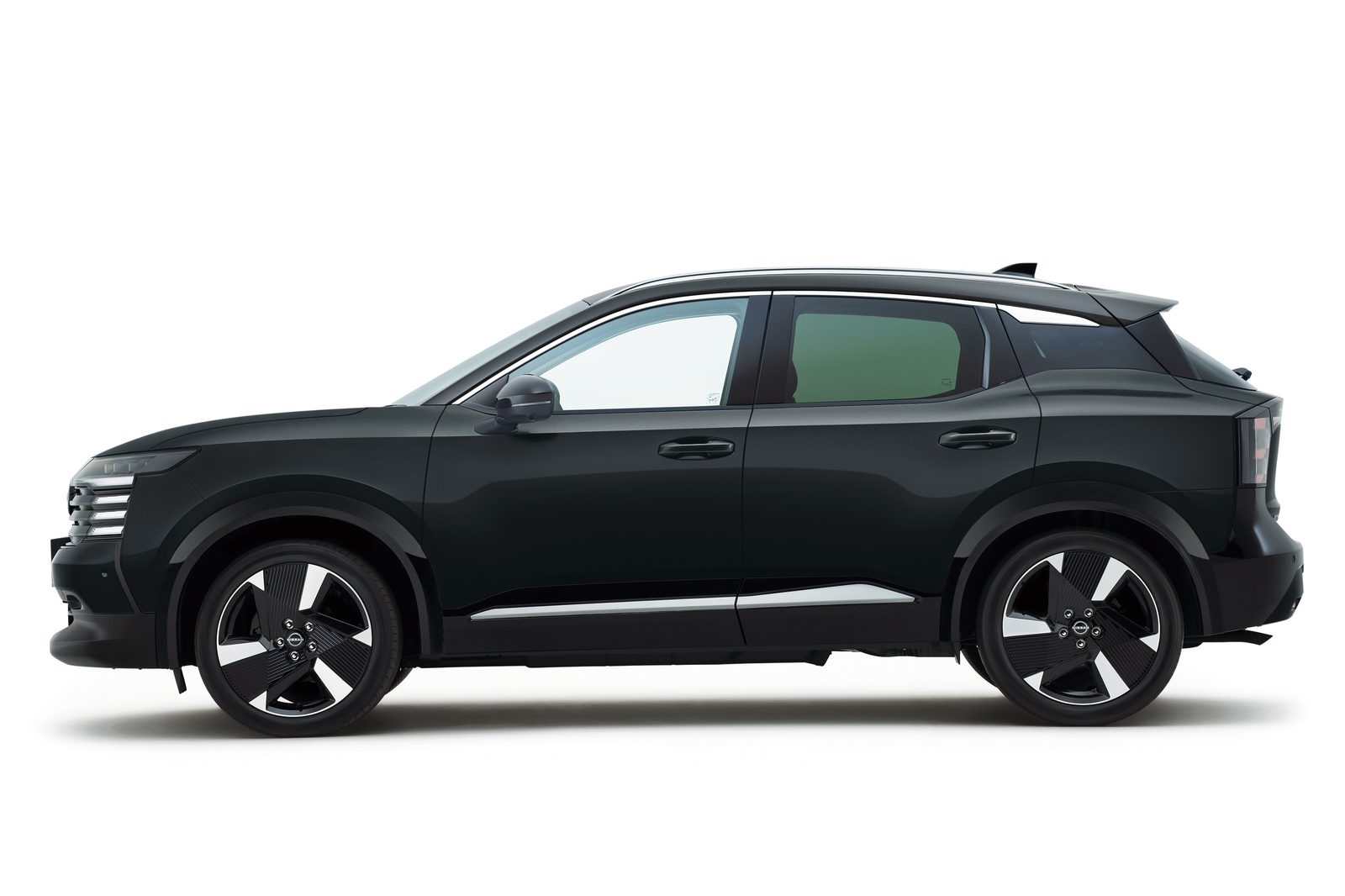
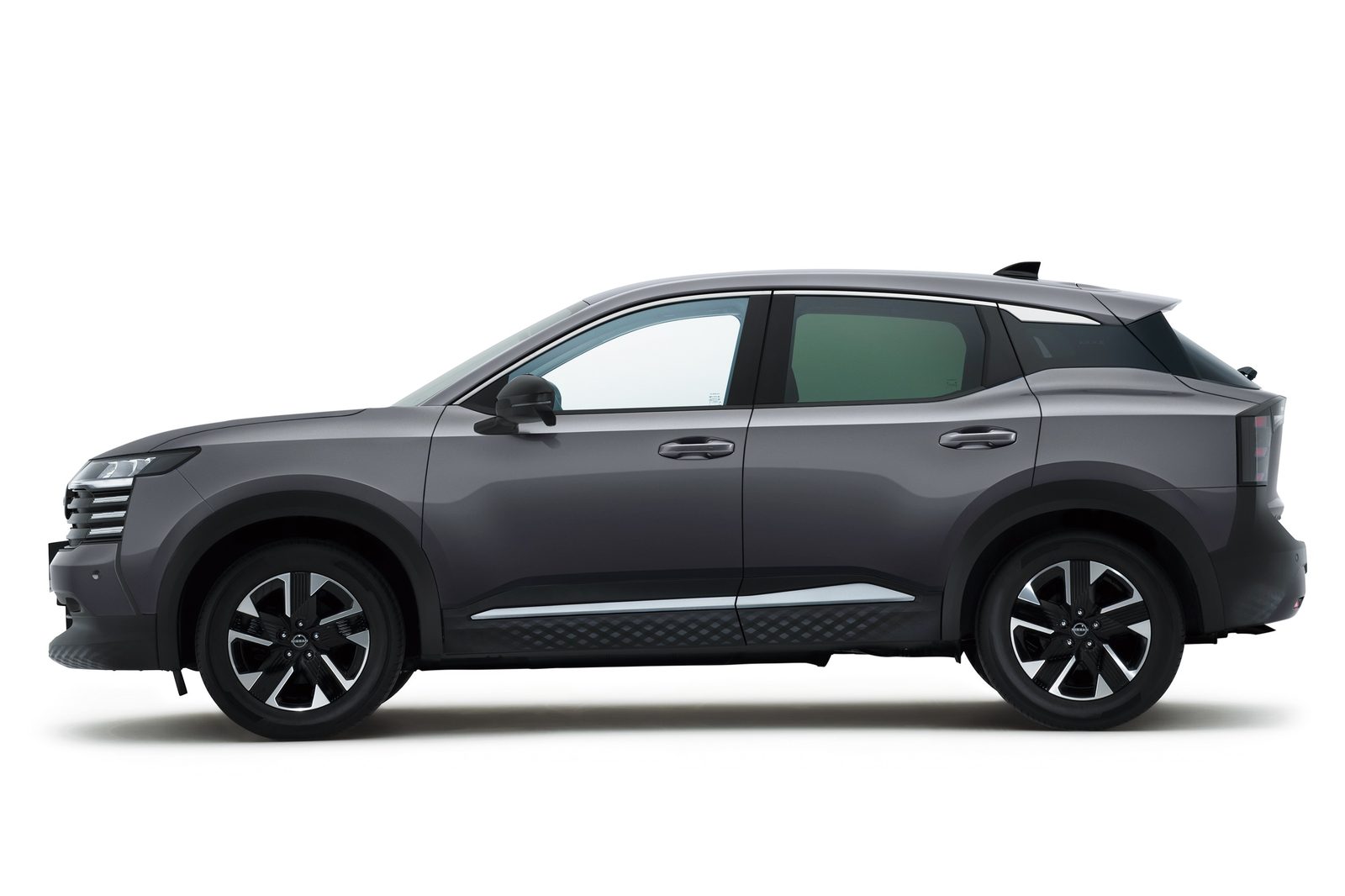
Official selling price in Japan
2WD model, HR14DDe engine (YM52 motor)
* Grade X Simple Package: 2,999,700 Yen (approximately 615,983 Baht)
* Grade X: 3,259,300 Yen (approximately 669,267 Baht)
* Grade X+: 3,549,700 Yen (approximately 728,895 Baht)
* Grade G: 3,898,400 Yen (approximately 800,497 Baht)
4WD e-4ORCE model, HR14DDe engine (YM52 and MM48 motors)
* Grade X e-4ORCE Simple Package: 3,349,500 Yen (approximately 687,786 Baht)
* Grade X e-4ORCE: 3,599,200 Yen (approximately 739,059 Baht)
* Grade X+ e-4ORCE: 3,899,500 Yen (approximately 800,723 Baht)
* Grade G e-4ORCE: 4,248,200 Yen (approximately 872,325 Baht)
Nissan Kicks 2026 Thailand specification, currently marketed with the 2nd generation e-POWER powertrain architecture, which has a different engineering format from the Japanese version. It uses a 1.2-liter 3-cylinder gasoline engine, code HR12DE, which acts as a generator to send electricity to be stored in a 2.06 kWh lithium-ion battery. The front wheels are driven by a high-efficiency electric motor, code EM57, delivering a maximum horsepower of 136 hp and a maximum torque of 280 Newton-meters. The drive system is only front-wheel drive (2WD). Its highlight is the intelligent accelerator technology e-Pedal Step, which allows the driver to accelerate and decelerate the car by controlling only one accelerator pedal, increasing driving convenience amidst heavy traffic.
Pricing and Variants in Thailand
* Variant E Price 759,000 Baht
* Variant V Price 829,000 Baht
* Variant VL Special Price 779,000 Baht (Normal Price 899,000 Baht)
* Variant AUTECH Special Price 829,000 Baht (Normal Price 949,000 Baht)
What is Bangkok Motorhaus's perspective?
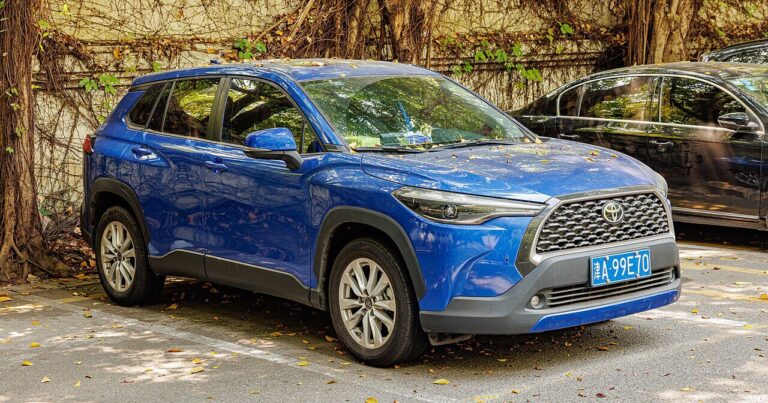
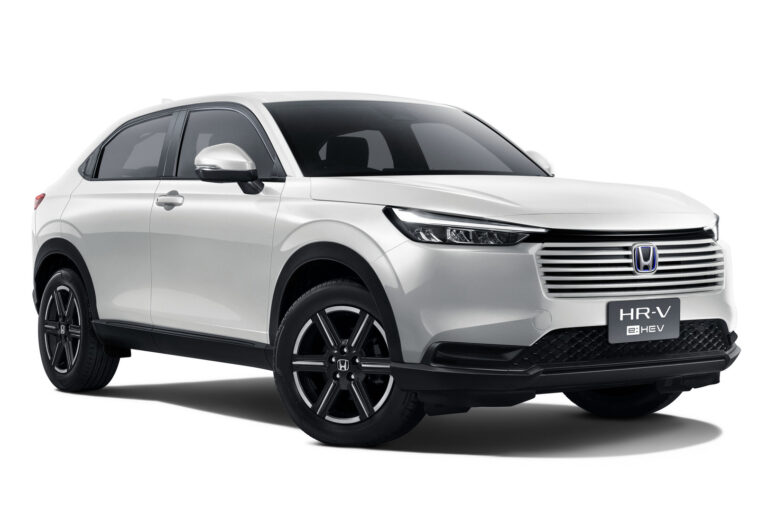
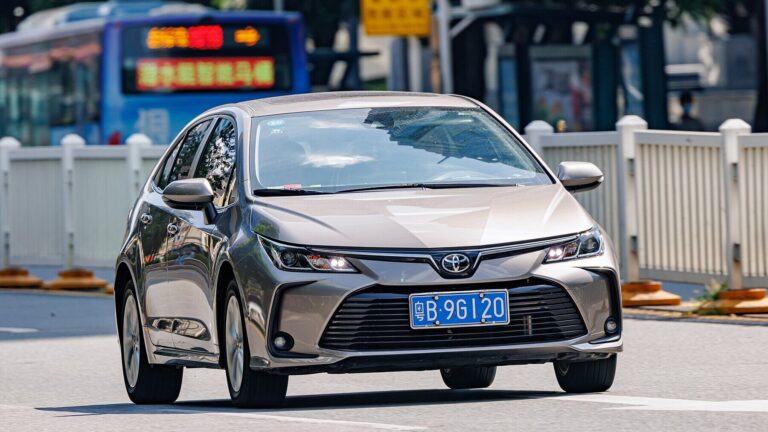
This model change unveiling clearly demonstrates Nissan's strategy to move upmarket and enhance the vehicle's value (Value Up). An interesting marketing tactic in the Japanese market is the attempt to eliminate the traditional shortcomings of small-segment compact SUVs by incorporating advanced e-4ORCE all-wheel-drive technology. In automotive engineering, this system precisely regulates torque and controls roll stability during cornering, surpassing similarly positioned competitors in Thailand like the Honda HR-V or Toyota Corolla Cross, which primarily focus on front-wheel-drive systems. Furthermore, the switch to a new 1.4-liter engine for power generation, replacing the original 1.2-liter block, coupled with the reduction of electrical system components to a 5-in-1 modular box, significantly enhances the vehicle's fuel efficiency, compactness, and quietness. This clearly showcases superior performance and sound insulation compared to general hybrid vehicles.
A key observation lies in the pricing policy and cost structure planning. If we compare the starting price of the X Simple Package grade in Japan, which is as low as 620,000 baht (equivalent to 2,999,700 yen), we will find that the launch price in its home country is very attractive due to the absence of import tariffs and local content restrictions, unlike the pricing structure in Thailand. However, the possibility of Nissan Thailand introducing the e-4ORCE all-wheel-drive specification and this 1.4-liter generator engine for production and sale in the country in the near future may still be a challenging prospect. This is due to investment limitations in modifying the production line at the factory and the inevitable increase in cost that would push the price into competition with larger SUV segments. The most likely tactic for the Thai market is to continue marketing the current model using the second-generation e-POWER system, along with special pricing campaigns, to compete with electric vehicles from China (Chinese EV) which are heavily vying for market share at this time.
This is a testament to the impressive leap forward in advanced e-POWER innovation. And to all our fans, how do you view the differences between the Japanese and Thai specifications of this Nissan Kicks 2026? Do you think the intelligent all-wheel-drive system e-4ORCE and this new 5-in-1 electric motor unit are attractive and worthwhile enough options that you would want to see Nissan Thailand decide to import them for our market soon? Feel free to comment and share your thoughts.