Thaivivat Insurance Public Company Limited has announced a strategy to reinforce its position as an InsurTech Leader by introducing a full end-to-end AI Ecosystem for motor insurance.
The system is designed to simplify old insurance pain points by making vehicle inspection, claims and repair workflows faster, more transparent and more self-service friendly through digital tools available around the clock.
From vehicle inspection to automated claim documents
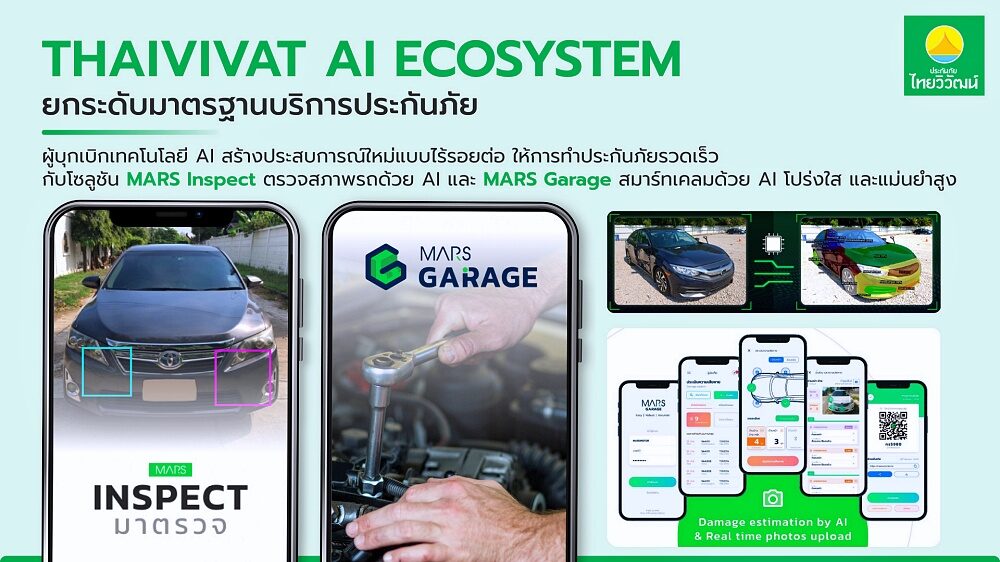
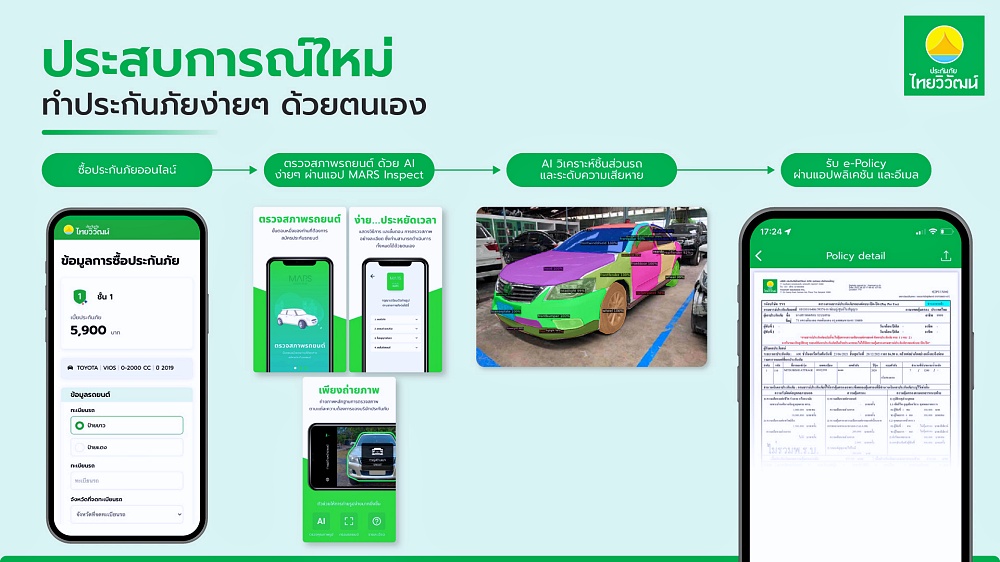
Thaivivat is addressing delays at the start of coverage with MARS Inspect. Instead of arranging an in-person vehicle inspection, customers can use a smartphone to take photos of the car from guided angles.
AI then analyzes the vehicle condition and visible damage marks so coverage can be approved within minutes, reducing friction for customers and improving process speed.
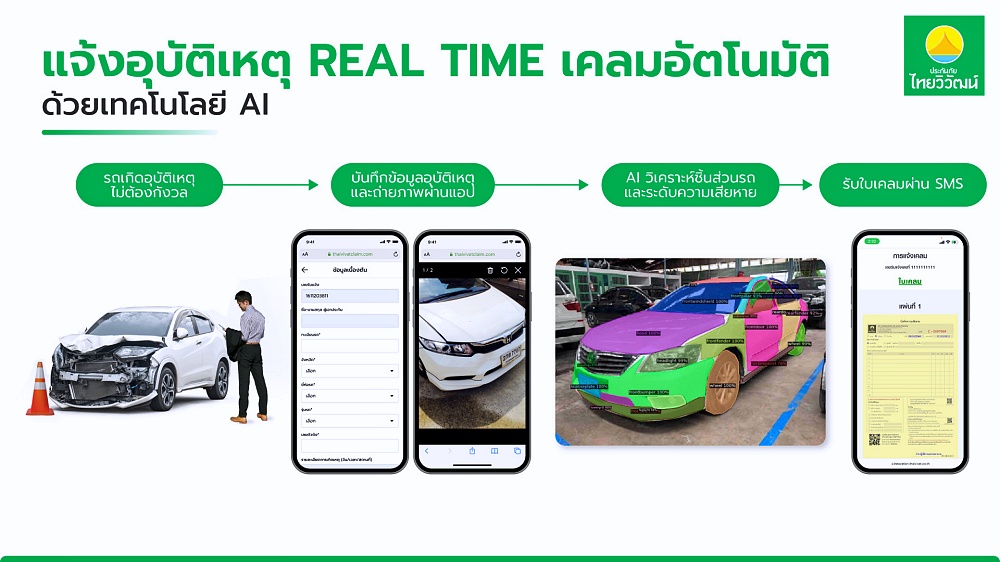
When an accident happens, Claim Generate reduces the need to wait at the scene. Drivers can capture damage photos so AI can assess the damaged area, severity and estimated claim value before creating a claim document automatically.
MARS Garage connects repair partners through in-house software
For repairs, MARS Garage connects Thaivivat with its repair-shop network. AI analyzes photos of damaged parts submitted by repair partners, then helps evaluate and approve repair work through a clearer standard.
Reducing complex paperwork can shorten vehicle downtime at repair shops and help customers receive their cars sooner. A key part of the strategy is that Thaivivat has invested in developing its AI and platforms internally, rather than buying a finished overseas system.
This allows the technology to learn from Thai accident cases and local repair-shop workflows, making it better suited to the country operating context while supporting long-term ecosystem expansion.
Bangkok Motorhaus Perspective
For car owners, the hardest part of insurance is rarely paying the premium. The stressful moment is the accident itself: waiting for a claim officer in traffic or leaving the car at a repair shop for days because approval documents are still moving through the system.
Thaivivat end-to-end AI approach tackles that pain point directly, from vehicle inspection and claim generation to repair approval. This becomes even more relevant in 2026 as EVs grow quickly and modern vehicles carry more sensors, electronics and body components.
Drivers now expect insurance services to move at the same pace as vehicle technology. Photo-based damage assessment with a clearer standard can make owners feel more confident that repairs are evaluated transparently and technically, rather than through rough visual judgment.
The strongest part of the strategy is in-house technology development. Accident behavior, driving patterns and repair-shop operations in Thailand are highly specific, so AI trained on local data should fit real-world conditions more closely. The next challenge is scaling this system across partner body and paint shops nationwide with consistent standards.