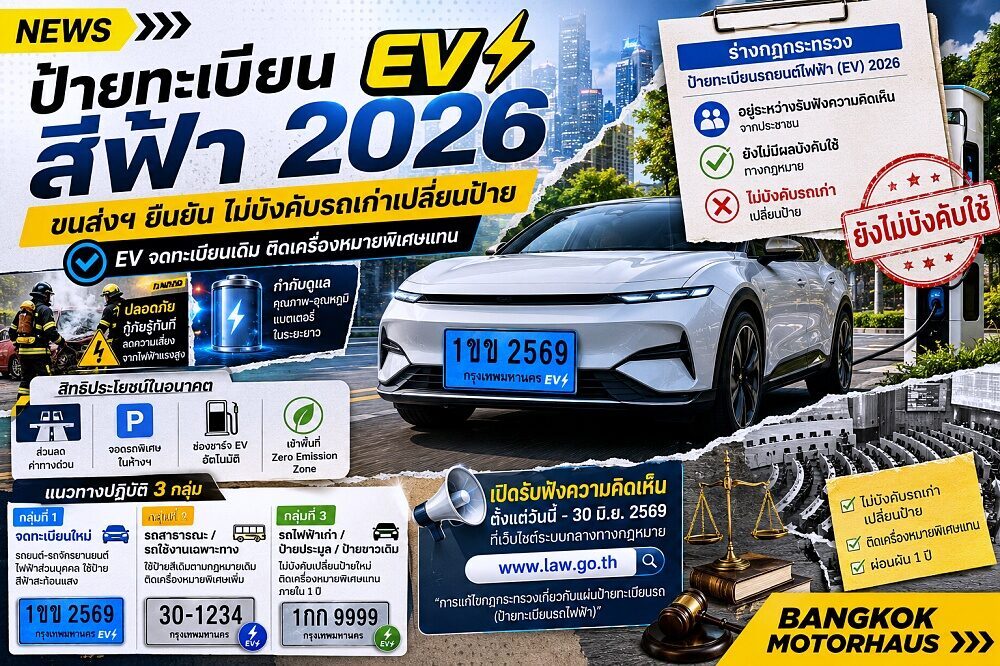
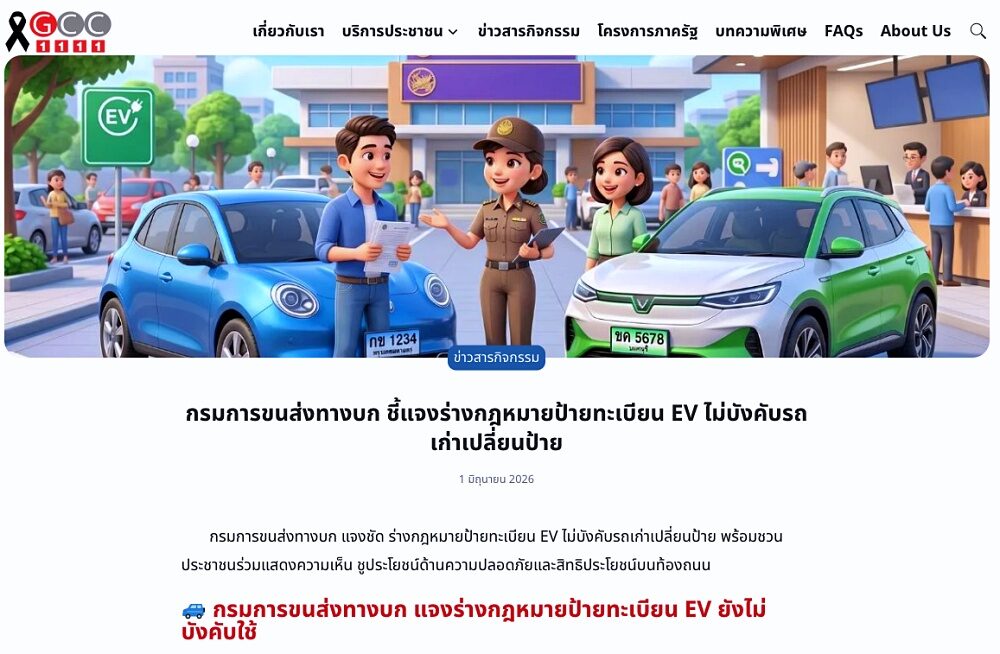
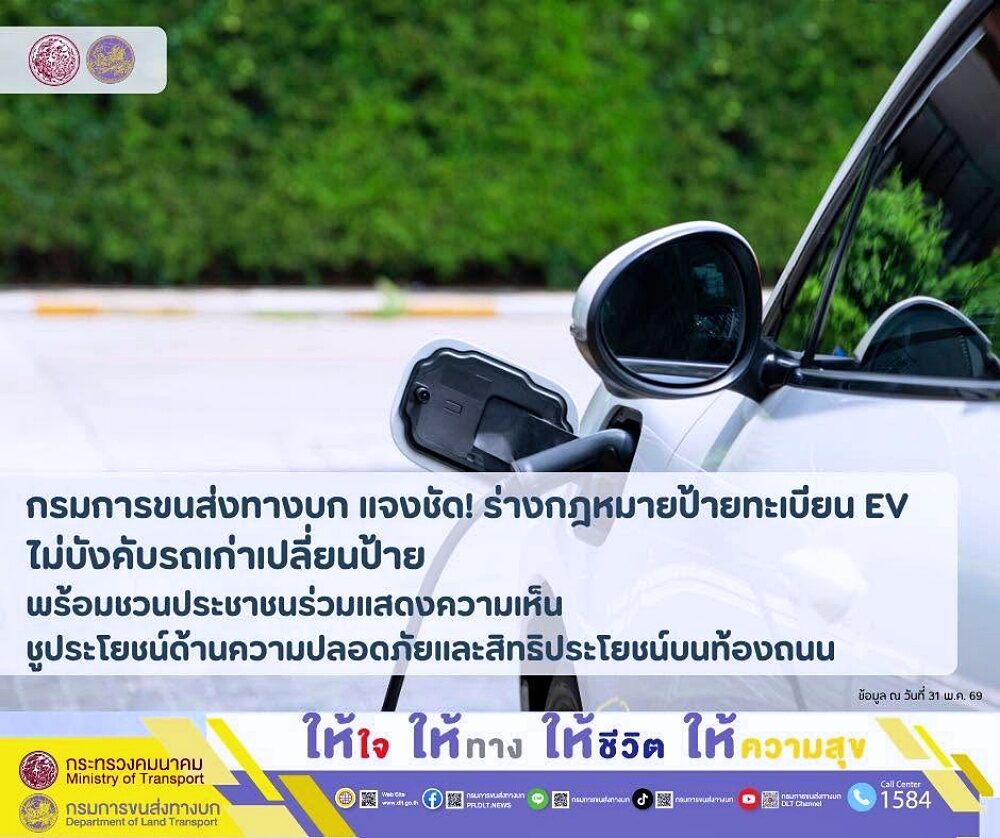
นายสรพงศ์ ไพฑูรย์พงษ์ อธิบดีกรมการขนส่งทางบก ชี้แจงกรณีข้อกำหนดแผ่นป้ายทะเบียนรถยนต์ไฟฟ้า หรือ EV หลังมีกระแสข่าวสร้างความสับสนในกลุ่มผู้ใช้รถยนต์ไฟฟ้า โดยยืนยันว่าร่างกฎกระทรวงกำหนดขนาด ลักษณะ และสีของแผ่นป้ายทะเบียนรถยนต์ไฟฟ้ายังอยู่ระหว่างขั้นตอนการรับฟังความคิดเห็นจากประชาชน และยังไม่มีผลบังคับใช้ทางกฎหมาย
อ่านเพิ่มเติม: ค้างใบสั่ง ต่อภาษีได้ไหม? เริ่ม 1 ส.ค. 2569 ต่อได้แต่ไม่ได้ป้ายวงกลมฉบับจริง
อ่านเพิ่มเติม: ป้ายทะเบียนหาย ทำอย่างไร? ขอป้ายใหม่ที่ขนส่ง เอกสาร ค่าธรรมเนียม และมาตรการช่วงน้ำท่วม
ประเด็นสำคัญคือ กรมการขนส่งทางบกระบุว่าจะไม่มีการบังคับให้รถยนต์ไฟฟ้าที่จดทะเบียนไปแล้วต้องเปลี่ยนแผ่นป้ายใหม่ โดยรถเก่าจะใช้แนวทางติดตั้งเครื่องหมายพิเศษบนแผ่นป้ายเดิมแทน
เจาะร่างข้อเสนอป้ายทะเบียนรถไฟฟ้าใหม่
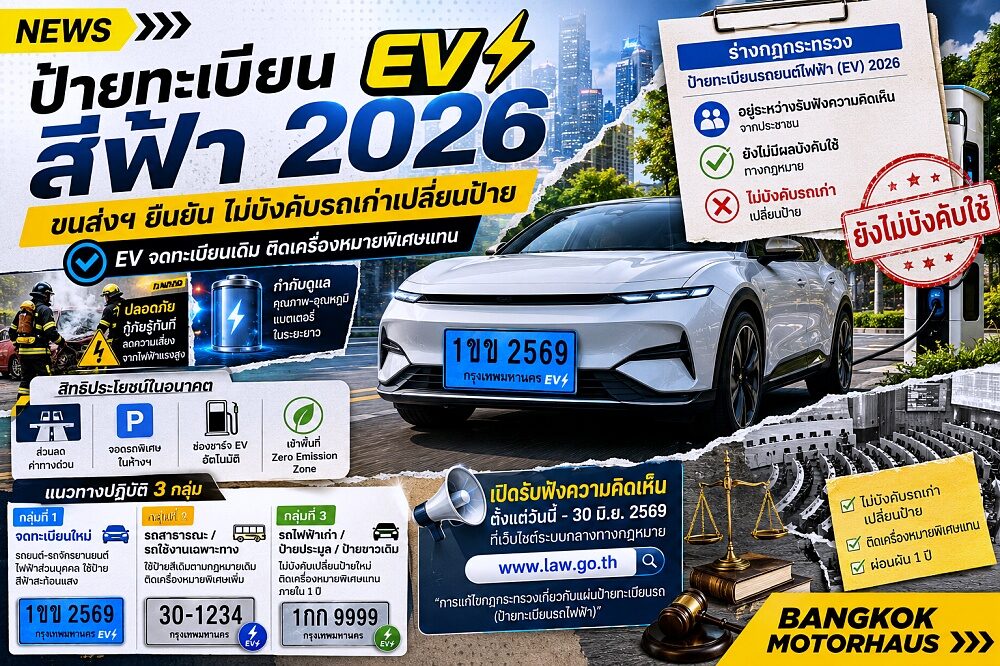
สาระสำคัญของร่างกฎกระทรวงฉบับปี 2026 แบ่งแนวทางปฏิบัติออกเป็น 3 กลุ่มหลัก เพื่อรองรับการเติบโตของยานยนต์ไฟฟ้าและสนับสนุนมาตรการลดมลพิษ PM 2.5 ในอนาคต
- รถยนต์และรถจักรยานยนต์ไฟฟ้าส่วนบุคคลที่จดทะเบียนใหม่ จะถูกกำหนดให้ใช้แผ่นป้ายทะเบียนพื้นสีฟ้าสะท้อนแสง เพื่อระบุประเภทรถพลังงานใหม่จากภายนอกอย่างชัดเจน
- รถไฟฟ้าสาธารณะและรถใช้งานเฉพาะทาง จะยังคงใช้แผ่นป้ายทะเบียนสีเดิมตามกฎหมายเดิม แต่จะติดตั้งเครื่องหมายพิเศษเพิ่มเติมบนแผ่นป้ายเดิม
- รถยนต์ไฟฟ้าที่จดทะเบียนไปก่อนหน้า รวมถึงกลุ่มป้ายทะเบียนประมูลและป้ายขาวเดิม จะไม่มีการบังคับเปลี่ยนแผ่นป้ายใหม่ แต่จะใช้การติดตั้งเครื่องหมายพิเศษ โดยให้เวลาเจ้าของรถดำเนินการภายใน 1 ปีนับจากวันที่กฎกระทรวงมีผลบังคับใช้
เหตุผลของป้ายกายภาพและประโยชน์ด้านกู้ภัย
แม้ระบบฐานข้อมูลของกรมการขนส่งทางบกจะมีข้อมูลประเภทพลังงานระบุไว้อยู่แล้ว แต่การทำให้รถ EV สามารถจำแนกได้ด้วยสายตาจากภายนอกมีเป้าหมายด้านความปลอดภัยเป็นอันดับแรก โดยเฉพาะกรณีเกิดอุบัติเหตุบนท้องถนน
เมื่อประชาชนหรือหน่วยกู้ภัยสามารถระบุได้ทันทีว่าเป็นรถยนต์ไฟฟ้า ทีมหน้างานจะวางแผนรับมือระบบไฟฟ้าแรงดันสูงและแบตเตอรี่ได้เหมาะสมขึ้น เช่น การตัดวงจรไฟฟ้า การเลือกอุปกรณ์ระงับเหตุ และการลดความเสี่ยงจากกระแสไฟฟ้ารั่วไหลหรือเพลิงไหม้ซ้ำซ้อน
เปิดทางสิทธิประโยชน์และ Zero Emission Zone
การแยกประเภทป้ายทะเบียนอย่างชัดเจนยังอาจช่วยสนับสนุนระบบกำกับดูแลคุณภาพและอุณหภูมิของแบตเตอรี่ในระยะยาวเมื่อตัวรถมีอายุการใช้งานสูงขึ้น รวมถึงอำนวยความสะดวกในการรับสิทธิประโยชน์พิเศษในอนาคต
ตัวอย่างสิทธิประโยชน์ที่อาจเกิดขึ้นได้ เช่น ส่วนลดค่าบริการทางด่วน พื้นที่จอดรถพิเศษในห้างสรรพสินค้า หรือการเข้าใช้งานในพื้นที่ควบคุมมลพิษ หรือ Zero Emission Zone ซึ่งเจ้าหน้าที่สามารถตรวจสอบได้ทันทีโดยไม่ต้องเสียเวลาดึงข้อมูลจากฐานทะเบียน
ทั้งนี้ กรมการขนส่งทางบกเปิดรับฟังความคิดเห็นสาธารณะผ่านเว็บไซต์ระบบกลางทางกฎหมาย www.law.go.th ในหัวข้อการแก้ไขกฎกระทรวงเกี่ยวกับแผ่นป้ายทะเบียนรถไฟฟ้า ตั้งแต่วันนี้ถึงวันที่ 30 มิถุนายน 2569 เพื่อนำข้อมูลไปปรับปรุงข้อกฎหมายก่อนประกาศบังคับใช้
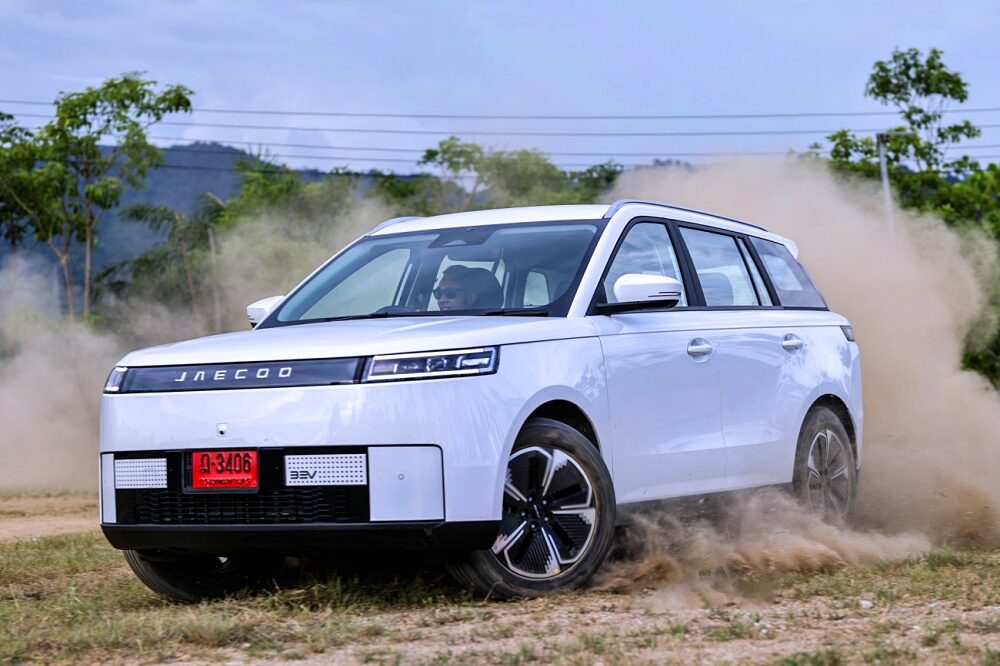
Bangkok Motorhaus มองอย่างไร
การขยับตัวของกรมการขนส่งทางบกในการยกร่างกฎหมายแยกป้ายทะเบียนรถ EV ในปี 2026 ถือเป็นทิศทางที่เดินตามมาตรฐานสากลในหลายประเทศ ซึ่งมีการใช้แถบสีหรือเปลี่ยนสีป้ายเพื่อจำแนกรถพลังงานสะอาด การออกมาชี้แจงประเด็นไม่บังคับรถเก่าเปลี่ยนป้ายได้รวดเร็ว จึงช่วยลดความกังวลของผู้ใช้รถ EV เดิมได้ตรงจุด
เจ้าของรถ EV ที่จดทะเบียนไปแล้ว รวมถึงผู้ที่ถือป้ายทะเบียนประมูลมูลค่าสูง ย่อมไม่ต้องการเสียเวลาและค่าใช้จ่ายในการเปลี่ยนแผ่นป้ายใหม่โดยไม่จำเป็น การใช้เครื่องหมายพิเศษและให้เวลาปรับตัว 1 ปีจึงเป็นทางออกที่พบกันครึ่งทางและมีโอกาสเดินหน้าได้ราบรื่นกว่า
ในมุมความปลอดภัยทางวิศวกรรม นี่เป็นเรื่องสำคัญมาก เพราะจำนวนรถ EV บนถนนไทยเพิ่มขึ้นเร็ว เมื่อเกิดอุบัติเหตุรุนแรง การที่ทีมกู้ภัยรู้ทันทีว่าเป็นรถไฟแรงสูงจะช่วยให้วางแผนตัดวงจรและจัดการแบตเตอรี่ได้ถูกต้อง ลดความเสี่ยงต่อผู้ประสบเหตุและเจ้าหน้าที่หน้างานได้จริง
สิ่งที่น่าจับตาต่อไปคือการต่อยอดสิทธิประโยชน์ในอนาคต ป้ายสีฟ้าหรือเครื่องหมายพิเศษอาจกลายเป็นเครื่องมือสำคัญของนโยบายสิ่งแวดล้อม เช่น ช่องจอดชาร์จรถไฟฟ้า การผ่านด่านทางด่วน หรือเขต Zero Emission Zone ในเมืองใหญ่ ผู้ใช้รถ EV และคนที่กำลังวางแผนออกรถใหม่จึงควรร่วมแสดงความคิดเห็นก่อนวันที่ 30 มิถุนายน 2569 เพื่อให้กฎหมายฉบับจริงตอบโจทย์การใช้งานมากที่สุด