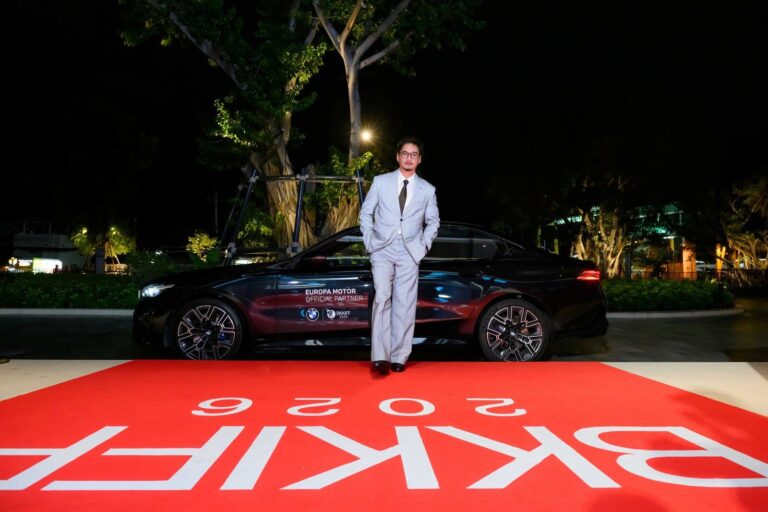
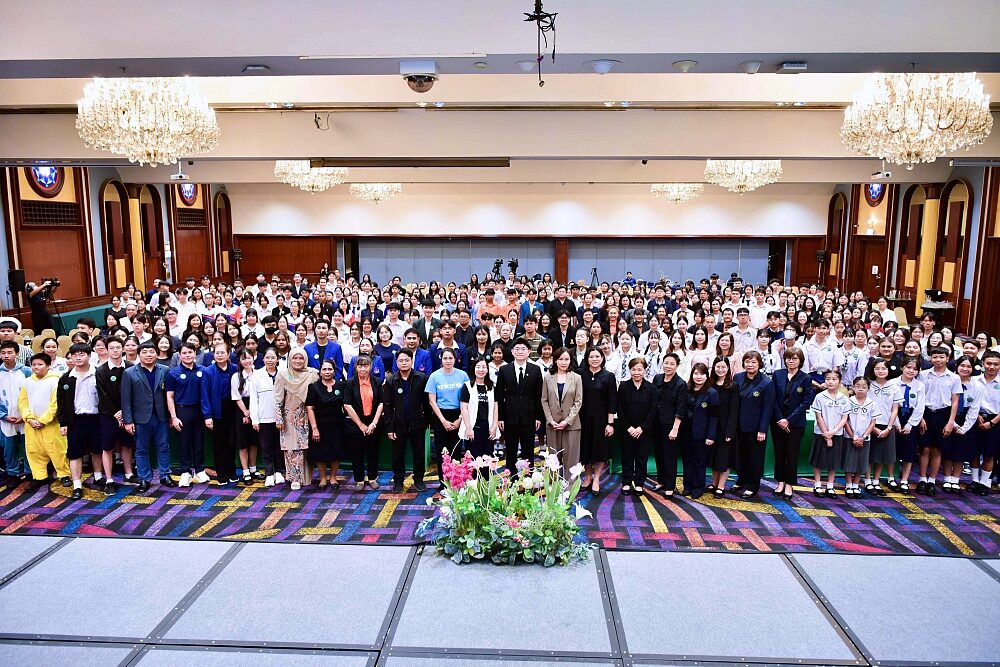
บีเอ็มดับเบิลยู กรุ๊ป ประเทศไทย ร่วมกับองค์การยูนิเซฟ หรือ UNICEF ประเทศไทย และสถาบันส่งเสริมการสอนวิทยาศาสตร์และเทคโนโลยี หรือ สสวท. เดินหน้าตอกย้ำความมุ่งมั่นด้านความรับผิดชอบต่อสังคม ด้วยการสนับสนุนงานประกวดผลงานวิจัยวิทยาศาสตร์สิ่งแวดล้อมประจำปี GLOBE Student Research Competition ณ โรงแรมแอมบาสซาเดอร์ กรุงเทพฯ
ความร่วมมือนี้มีเป้าหมายเพื่อขับเคลื่อนโอกาสทางการศึกษาและปลดล็อกศักยภาพด้าน STEM ให้แก่เยาวชนไทยในพื้นที่ห่างไกล ผ่านเวทีที่เปิดโอกาสให้นักเรียนได้ใช้วิทยาศาสตร์ เทคโนโลยี วิศวกรรมศาสตร์ และคณิตศาสตร์ แก้ปัญหาสิ่งแวดล้อมในชุมชนจริง
ส่วนหนึ่งของโครงการ BRIDGE ระดับโลก
การแข่งขันครั้งนี้เป็นส่วนหนึ่งของภารกิจระดับโลกภายใต้โปรเจกต์ความร่วมมือ BRIDGE. Educating young people for tomorrow, today ระหว่างบีเอ็มดับเบิลยู กรุ๊ป และยูนิเซฟ
โครงการมีเป้าหมายหลักในการขยายโอกาสการเข้าถึงการศึกษาในสาขา STEM ให้แก่เด็กที่ขาดโอกาสใน 5 ประเทศที่เป็นฐานการผลิตของบีเอ็มดับเบิลยู พร้อมมุ่งแก้ปัญหาความเหลื่อมล้ำทางเพศในสายอาชีพวิศวกร และลดอัตราเยาวชนที่หลุดออกจากระบบการศึกษาและการทำงาน หรือ NEET เพื่อเตรียมความพร้อมเข้าสู่ตลาดแรงงานยุคดิจิทัลอย่างยั่งยืน
สนับสนุนโรงเรียนห่างไกลกว่า 100 แห่ง
ในประเทศไทย โครงการได้เข้าไปสนับสนุนโรงเรียนในพื้นที่ห่างไกลมากกว่า 100 แห่ง เพื่อส่งเสริมรูปแบบการเรียนการสอนที่คำนึงถึงความเสมอภาคทางเพศ และสร้างแรงบันดาลใจให้เด็กผู้หญิงกล้าก้าวเข้าสู่เส้นทางวิทยาศาสตร์และเทคโนโลยีมากขึ้น
แนวทางนี้ไม่ได้เน้นเพียงการแข่งขันในวันงาน แต่ต้องการสร้างความต่อเนื่องของทักษะ STEM ตั้งแต่ห้องเรียนในพื้นที่ห่างไกล ไปจนถึงการมองเห็นเส้นทางอาชีพในอุตสาหกรรมแห่งอนาคต
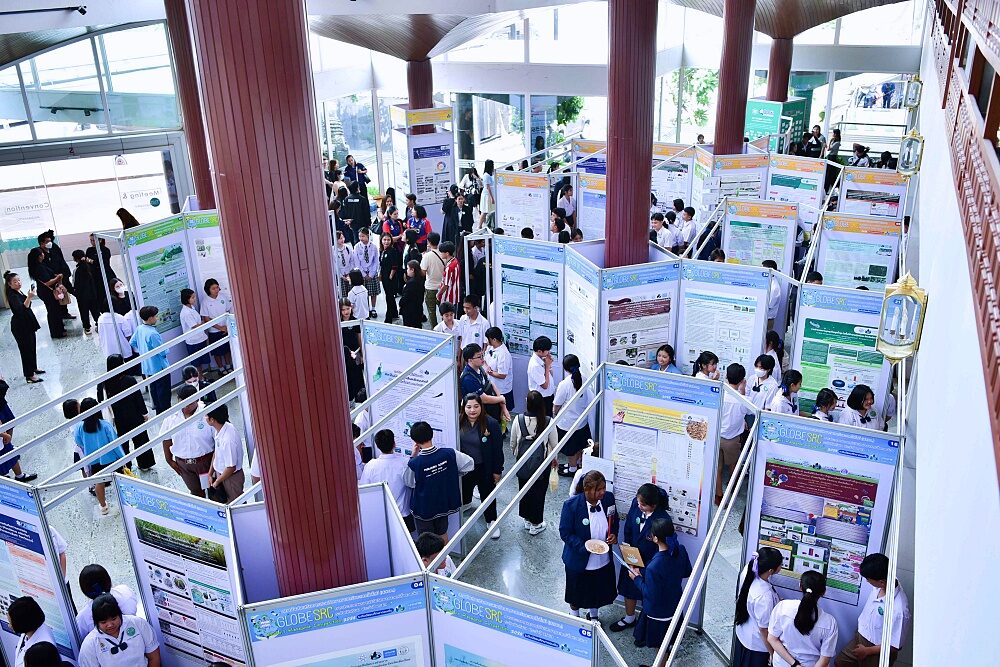
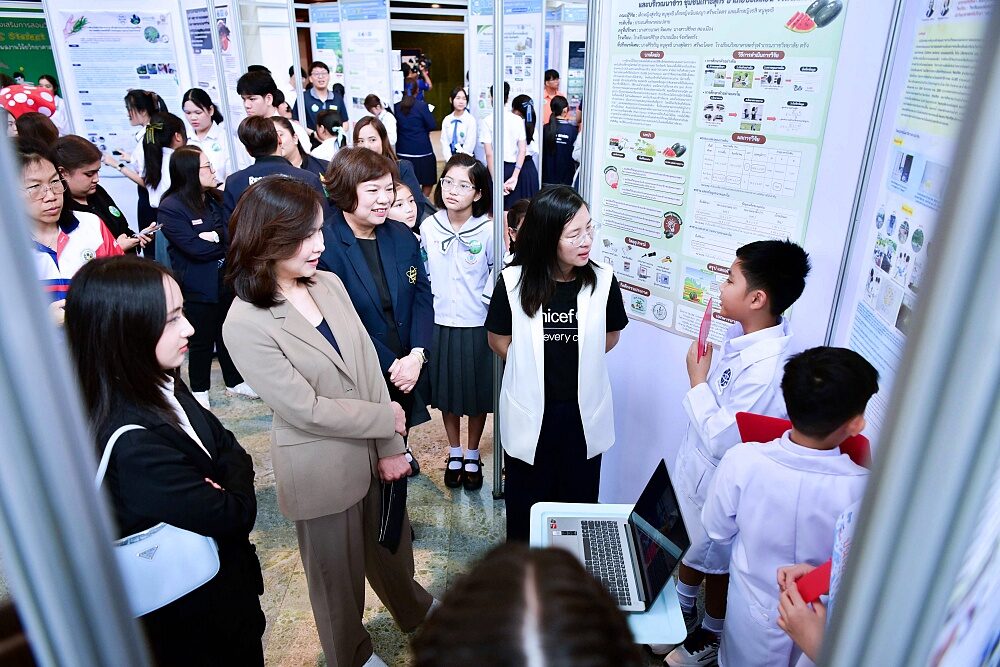
กว่า 70 โครงงานจากเยาวชนทั่วประเทศ
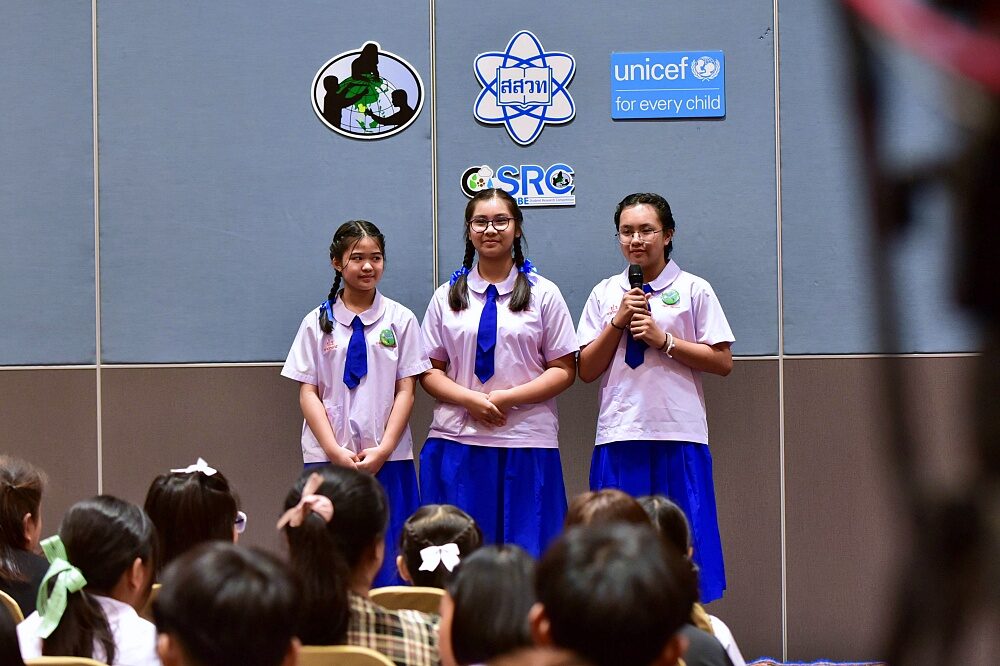
ภายในงาน STEM Fair มีเยาวชนตั้งแต่ระดับประถมศึกษาจนถึงมัธยมศึกษาตอนปลายเข้าร่วมกว่า 200 คน พร้อมนำเสนอโครงงานวิจัยสิ่งแวดล้อมรวมกว่า 70 โครงงาน
ตัวอย่างโครงงานสะท้อนการประยุกต์ใช้ทักษะ STEM กับปัญหาจริงในท้องถิ่น เช่น การตรวจวัดคุณภาพน้ำในลำคลองสาธารณะ การวิเคราะห์สารอาหารในดินบริเวณบ่อขยะชุมชน และการใช้สิ่งมีชีวิตท้องถิ่นเป็นตัวชี้วัดความสมบูรณ์ของระบบนิเวศ
Bangkok Motorhaus มองอย่างไร
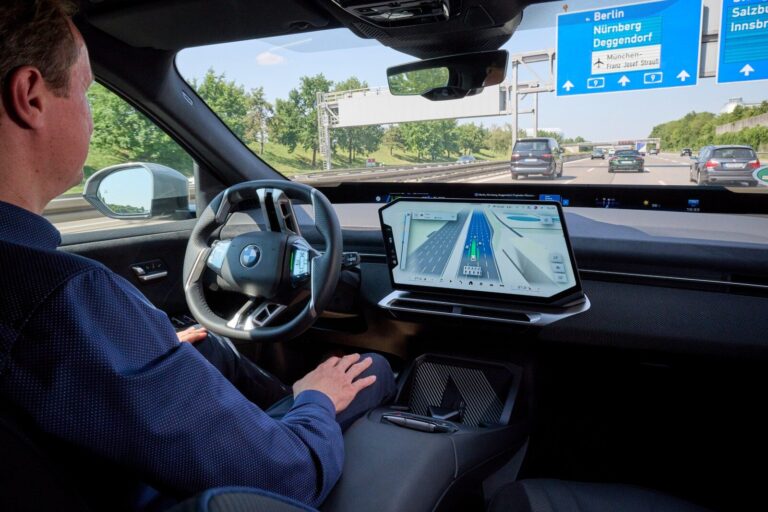
การที่บีเอ็มดับเบิลยู กรุ๊ป ประเทศไทย จับมือกับยูนิเซฟเพื่อขับเคลื่อนโครงการการศึกษายุค 2026 ถือเป็นกลยุทธ์การสร้างภาพลักษณ์องค์กรที่มีมิติและทรงคุณค่ามากกว่างาน CSR ทั่วไป ในยุคที่อุตสาหกรรมยานยนต์กำลังเปลี่ยนผ่านไปสู่ AI ซอฟต์แวร์ และยานยนต์ไฟฟ้าอย่างรวดเร็ว
แท็กติกของบีเอ็มดับเบิลยูที่เลือกสนับสนุนการศึกษาด้าน STEM ในโรงเรียนห่างไกล คือการสร้างฐานรากทรัพยากรมนุษย์ หรือ Talent Pipeline ระยะยาวให้แก่อุตสาหกรรมในประเทศ ไม่ใช่แค่การสร้างภาพลักษณ์ระยะสั้น
จุดเด่นของแคมเปญนี้คือการพุ่งเป้าไปที่การทลายกรอบความเหลื่อมล้ำทางเพศในสายงานวิศวกรรมศาสตร์และวิทยาศาสตร์ ซึ่งสอดคล้องกับผู้บริโภคยุคใหม่ โดยเฉพาะ Gen Z และ Millennials ที่ให้ความสำคัญกับแบรนด์รถยนต์ที่มีความรับผิดชอบต่อสังคมในระดับสากล
หากการส่งต่อโอกาสจากงานประกวดวิจัยเยาวชนนี้ถูกต่อยอดสู่ภาคปฏิบัติจริง เช่น โปรแกรมฝึกงานหรือโควตาการศึกษาต่อในสถาบันเฉพาะทางของบีเอ็มดับเบิลยูสำหรับเยาวชนที่ฉายแวว โครงการ BRIDGE จะไม่ใช่แค่ข่าวกิจกรรมประจำปี แต่มีโอกาสกลายเป็นหนึ่งในกลไกสำคัญที่สร้างความยั่งยืนให้กับอุตสาหกรรมยานยนต์ไทยในอนาคต